
Mid-Century & Residential Neighborhood Profile
Visitacion Valley — San Francisco, CA
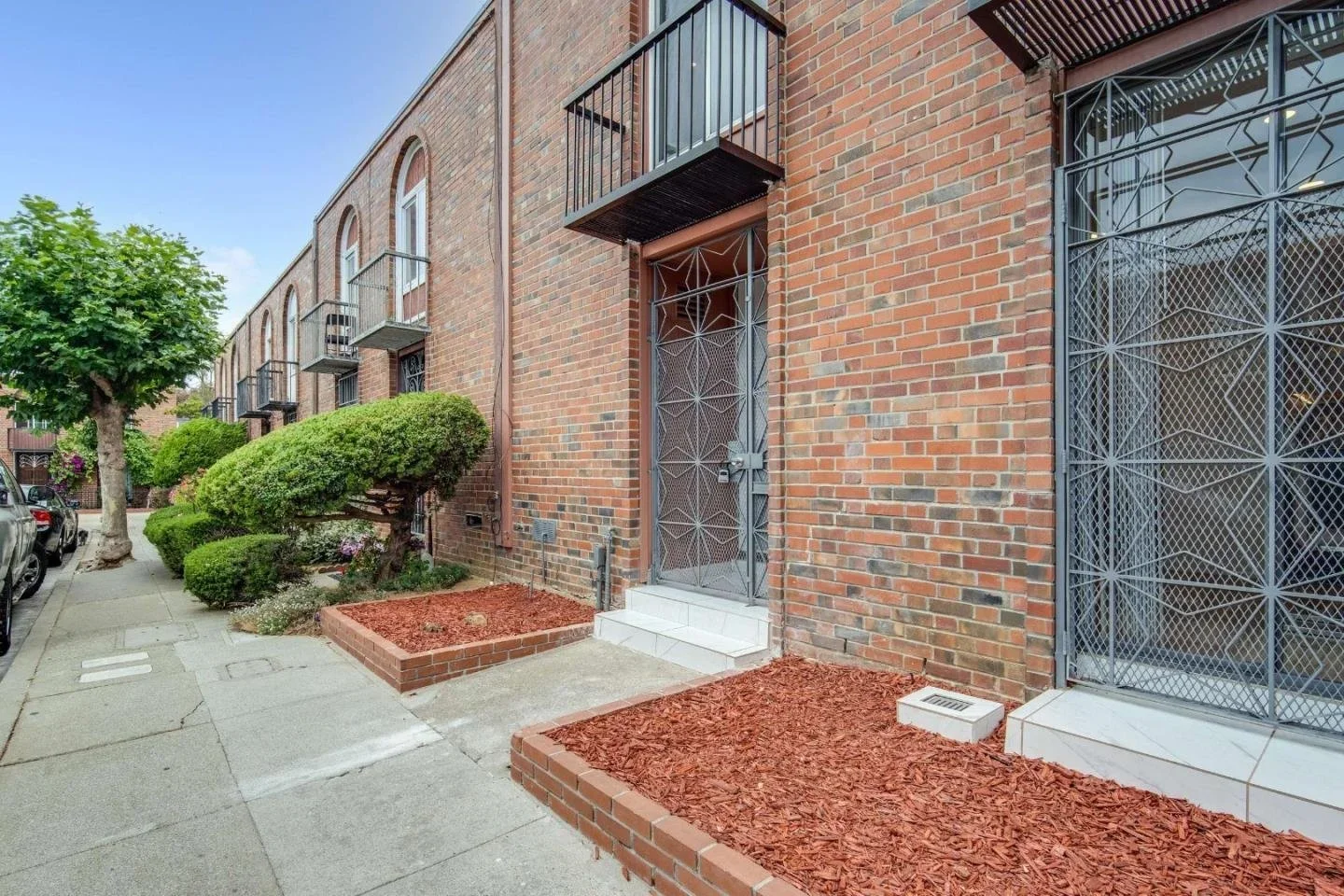
Visitacion Valley occupies a unique position within the southern edge of San Francisco, offering a residential environment that feels markedly different from the city’s more densely urban neighborhoods. Tucked between the San Bruno Mountains, the Bayshore corridor, and the San Mateo County line, Visitacion Valley combines affordability (by San Francisco standards), postwar housing stock, and improving neighborhood momentum. For buyers searching for value, space, and long-term upside within San Francisco real estate, Visitacion Valley has increasingly moved onto the radar.
Historically developed in phases during the post–World War II expansion of San Francisco, the neighborhood’s housing base reflects a strong mid-century and mid-century–influenced character. While Visitacion Valley is not an Eichler enclave in the classic Marin or Silicon Valley sense, many homes exhibit the practical modernism, efficient floor plans, and indoor–outdoor sensibility that defined Bay Area residential construction in the 1950s through early 1970s. Today, the area appeals to first-time buyers, move-up households, and investors seeking entry-level opportunities within San Francisco’s constrained housing market.
Market Context & Buyer Appeal
Visitacion Valley real estate has historically traded at a discount to central and northern San Francisco neighborhoods, but that relative value positioning is precisely what continues to drive buyer interest. As affordability pressures persist across the Bay Area housing market, neighborhoods offering single-family homes, garage parking, and commuter access—at comparatively attainable price points—have seen growing demand.
Several structural factors support Visitacion Valley’s relevance in today’s market. The neighborhood benefits from proximity to major employment corridors including South San Francisco biotech, the Peninsula tech belt, and downtown San Francisco via Highway 101. At the same time, ongoing public and private investment in the Bayshore and Schlage Lock redevelopment areas has contributed to a gradual shift in buyer perception.
Buyers and investors are typically drawn by:
Relative affordability within San Francisco
Predominantly single-family housing stock
Strong access to Highway 101 and US-101 corridor jobs
Long-term appreciation potential tied to South SF growth
Increasing interest from first-time and value-oriented buyers
Demographics & Resident Profile
Visitacion Valley reflects a diverse, working- and middle-income San Francisco community that has seen gradual demographic evolution over the past decade. The neighborhood maintains a meaningful base of long-term homeowners alongside newer entrants priced out of more central San Francisco districts.
Key characteristics include:
High owner-occupancy compared to many urban SF neighborhoods
Strong multigenerational household presence
Growing share of professional commuters
Increasing interest from first-time San Francisco homebuyers
Buyer demand today most often comes from:
Peninsula and South San Francisco biotech employees
San Francisco workers seeking single-family affordability
Investors targeting long-term Bay Area appreciation
Buyers priced out of neighborhoods like Bernal Heights and Portola
The neighborhood’s relative value position continues to serve as its primary demand engine.
Schools & Education Considerations
Visitacion Valley is served by the San Francisco Unified School District (SFUSD), and school assignment can vary depending on the city’s enrollment system. While the neighborhood is not typically driven primarily by school rankings in the way many Marin suburbs are, schools still play an important role for family buyers evaluating San Francisco neighborhoods.
Nearby educational options include:
Visitacion Valley Elementary School
El Dorado Elementary School
Visitacion Valley Middle School
Phillip & Sala Burton Academic High School
Families also consider private school options throughout San Francisco and northern San Mateo County.
For many buyers in Visitacion Valley, commute convenience and housing value often outweigh school-driven decision-making, though this dynamic continues to evolve.
Lifestyle, Access & Livability
Visitacion Valley’s lifestyle profile is defined by practicality, accessibility, and proximity to both urban and Peninsula employment centers. While quieter than central San Francisco neighborhoods, the area offers improving amenities and strong transportation connectivity.
Transportation & Commuter Access
One of Visitacion Valley’s strongest advantages is its location near major regional corridors:
Immediate access to Highway 101
Close proximity to Bayshore Boulevard
Easy reach to South San Francisco biotech campuses
Viable commute to downtown San Francisco
Access to Caltrain via nearby Bayshore station
For Peninsula commuters in particular, Visitacion Valley offers a strategic geographic position that many buyers overlook.
Parks, Recreation & Open Space
The neighborhood is anchored by Visitacion Valley Greenway, a landscaped linear park that has become a central community feature. Additional nearby outdoor assets include:
McLaren Park (one of San Francisco’s largest parks)
San Bruno Mountain State & County Park
Neighborhood playgrounds and community spaces
These outdoor resources provide more breathing room than many denser San Francisco districts.
Retail & Daily Amenities
Retail and dining within Visitacion Valley remain primarily neighborhood-serving, with additional options a short drive away in:
Portola
Bayshore commercial areas
South San Francisco
Daly City retail corridors
The area is still considered emerging from a retail standpoint, which some buyers view as part of its long-term upside story.
Housing Stock & Architectural Character
Visitacion Valley’s housing landscape is dominated by mid-century and postwar single-family homes built primarily between the late 1940s and early 1970s. While the neighborhood lacks large-scale Eichler subdivisions, many properties reflect the functional modernism typical of Bay Area working-family housing from that era.
Common Housing Types
Buyers will typically encounter:
Mid-century single-family homes
Marina-style and ranch-influenced properties
Row-style homes on narrower lots
Some later infill and townhouse development
Architectural Features
Although generally more modest than classic Eichler tracts, many homes include:
Efficient open living areas
Large front windows
Attached garages
Indoor–outdoor backyard access
Practical mid-century floor plans
Value-add buyers often target properties with renovation potential, particularly where original mid-century character can be enhanced.
Real Estate Performance & Outlook
Visitacion Valley home values have historically lagged premium San Francisco neighborhoods but have shown steady long-term appreciation tied to broader Bay Area housing constraints. The neighborhood is frequently viewed as a “value play” within San Francisco real estate.
Market characteristics
Median pricing below citywide San Francisco averages
Strong appeal to entry-level SF buyers
Limited new single-family supply
Ongoing investor interest in cosmetic and full renovations
Key demand drivers
San Francisco affordability pressures
Peninsula and biotech job growth
Highway 101 commuter convenience
Scarcity of single-family homes in the city
Forward-Looking Perspective
Looking ahead, Visitacion Valley is widely considered a long-term appreciation candidate within the San Francisco housing market. Continued Bayshore redevelopment, regional job growth, and persistent supply constraints are likely to support gradual value growth, particularly for well-updated single-family homes with garage parking and outdoor space.
Strategic Positioning Insight
In Visitacion Valley, presentation and preparation can significantly influence sale outcomes. Properties that are thoughtfully updated, professionally staged, and strategically priced tend to outperform neighborhood averages—especially when marketed to buyers seeking entry into San Francisco homeownership.
High-performing listings in the area typically feature:
Clean, modern cosmetic updates
Move-in-ready condition
Clear value positioning vs. competing SF neighborhoods
Marketing that highlights commuter convenience and affordability
For sellers, execution quality remains a key lever in maximizing results in this value-sensitive but opportunity-rich micro-market.