Mid-Century Modern Santa Clara: Design, Data, and the Quiet Power of Place
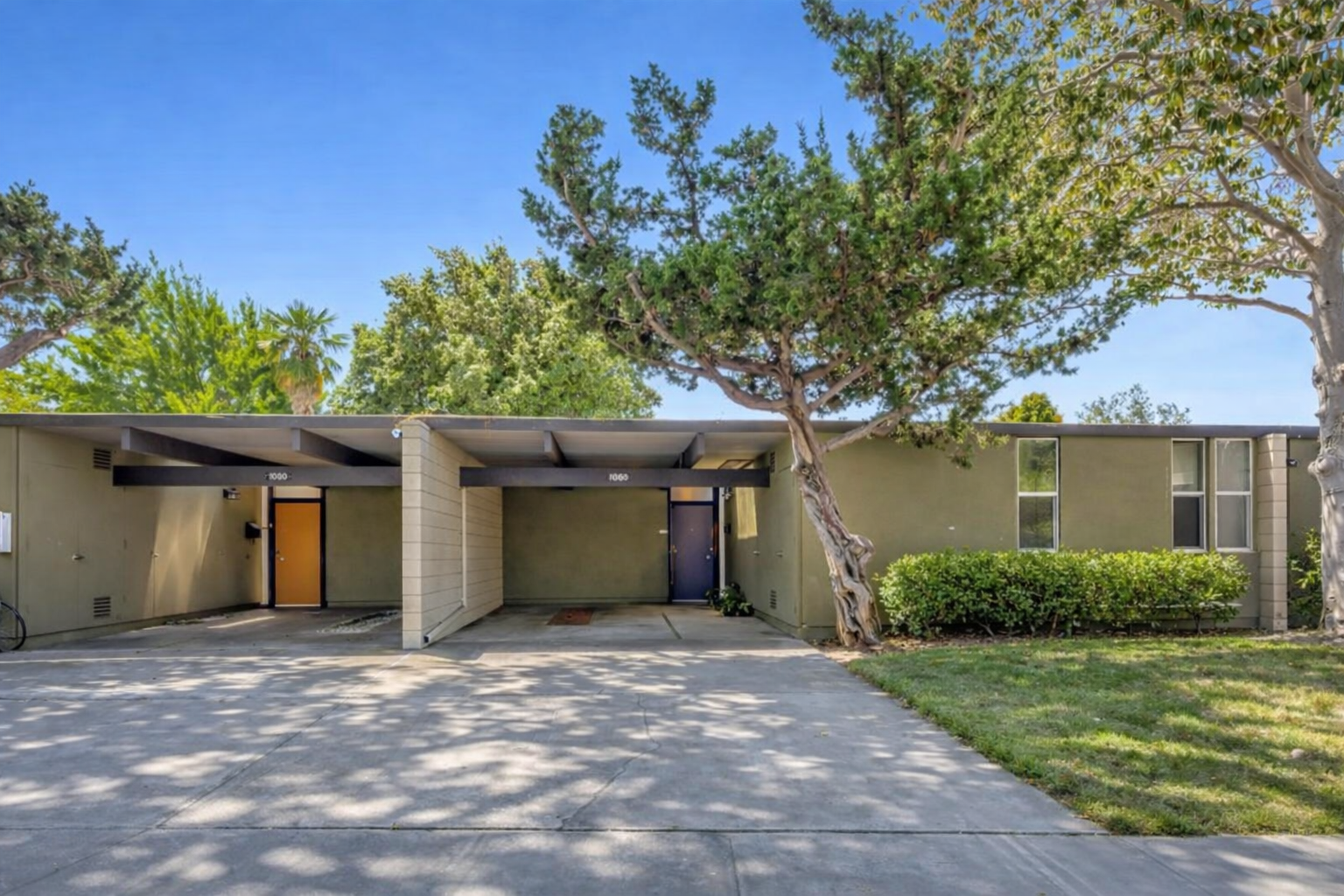
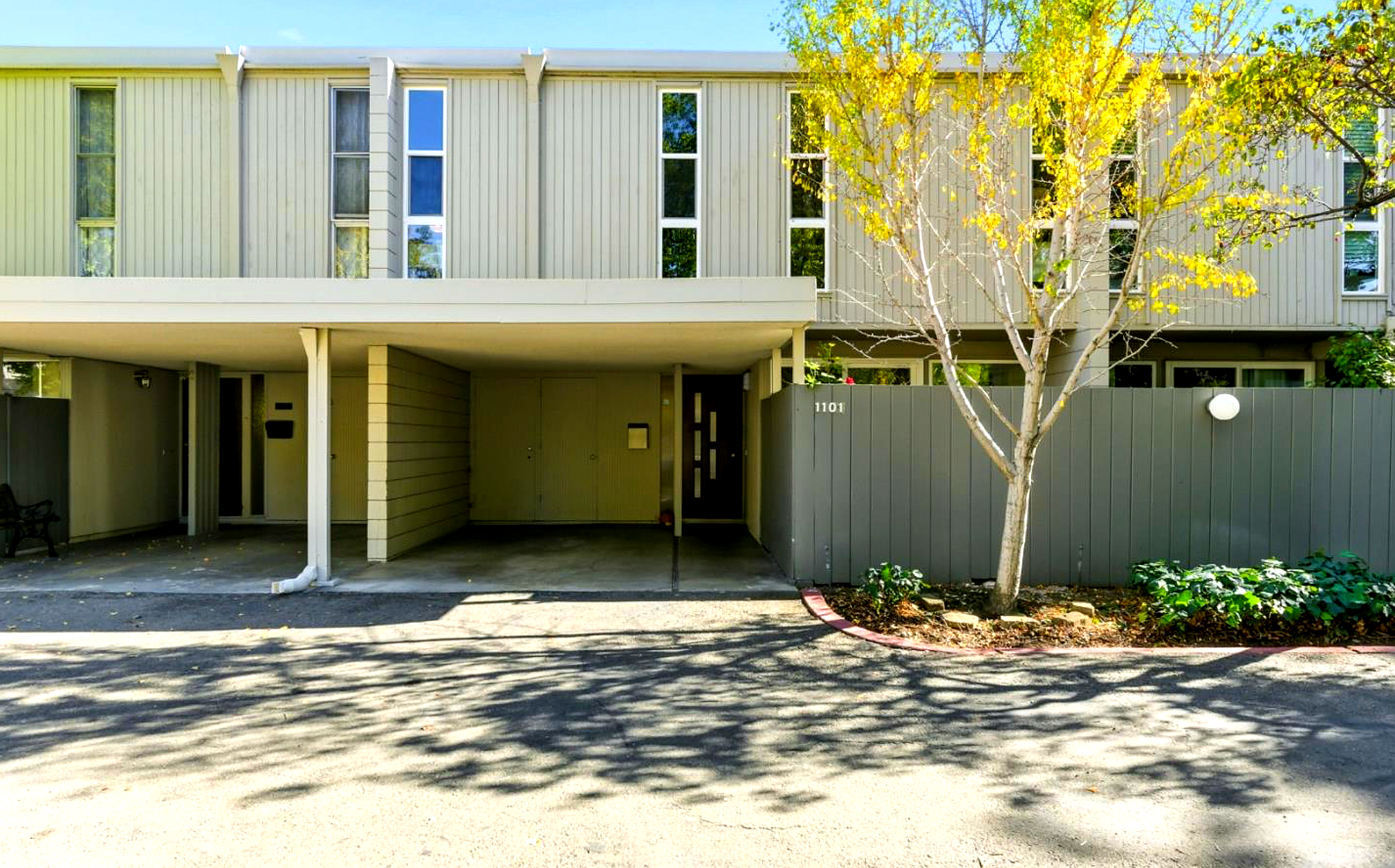
Santa Clara’s transformation from a Spanish mission and fertile agricultural hub into a thriving Silicon Valley city is reflected in its neighborhoods, many of which feature classic mid-century modern architecture. Founded as Mission Santa Clara de Asís in 1777, Santa Clara was incorporated as a town in 1852, and spent its first century as the “Valley of Heart’s Delight” – a patchwork of orchards and farms with a stable population of only a few thousand. That began to change mid-20th century: the advent of the semiconductor industry around 1960 dramatically altered the local economy. From the 1950s onward, Santa Clara – like much of the Bay Area – experienced a housing boom. Notably, Joseph Eichler’s firm developed two townhouse complexes in the city (Pomeroy Green and Pomeroy West, totaling about 216 homes) to bring his modernist vision to Santa Clara. Simultaneously, local builder John J. Mackay was reshaping Santa Clara’s east side: from 1953–57 he platted three Mackay neighborhoods (Maywood, Fairmede, Sunshine Meadows), injecting hundreds of Mid-Century Modern tract homes into the city’s fabric. Sunshine Meadows, for example, is a 125-home enclave of single-story glass-and-beam residences built in the mid-1950s by Mackay Homes that even won a 1954 AIA National Merit Award for its avant-garde design. These developments – collectively in zip code 95051 – gave Santa Clara a distinctive mid-mod identity. In the decades that followed, the city added infrastructure like freeways and a convention center, and hosted major projects such as Levi’s Stadium (home to the NFL 49ers) and California’s Great America theme park, anchoring Santa Clara as a key Silicon Valley destination. Throughout these transformations, local history and architecture stand side by side: Santa Clara College (founded 1851 at the old mission site) evolved into Santa Clara University, and 20th-century tract homes grew alongside high-tech campuses for Intel, AMD and Nvidia. By the 21st century, Santa Clara’s downtown had been revitalized, but its mid-century neighborhoods (Sunshine Glen, Maywood Park, Fairmede, etc.) preserve the city’s postwar roots.
Notable Figures and Developments
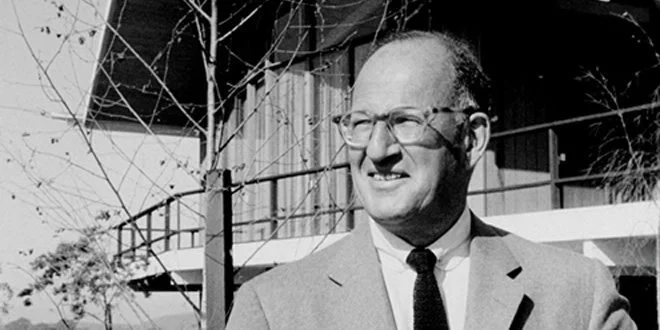
Builders influenced by Joseph Eichler’s philosophy—emphasizing post-and-beam construction, atriums, and egalitarian design—left a lasting imprint across Santa Clara. While not every tract was Eichler-built, many adopted similar principles, resulting in a cohesive modernist identity. Civic investments, including proximity to Santa Clara University, further stabilized the area and reinforced a culture of education and innovation.
Demographic & Socioeconomic Profile
Santa Clara today is a diverse, affluent community with strong ties to Silicon Valley’s tech economy. The city’s population is roughly 129,000 (2023), with a young median age (~34.5) and a highly-educated workforce. Household incomes are high: the median Santa Clara household makes on the order of $170,000–$180,000 per year, placing it among the wealthiest cities in California. Home values have risen accordingly – Data USA reports a median property value of about $1.53 million for Santa Clara. The ethnic makeup is majority Asian (approximately 47.4% of residents are Asian-American) and White (about 28.6% non-Hispanic), reflecting Silicon Valley’s international demographics. Indeed, nearly half the population (roughly 45.5%) was born outside the U.S., underscoring the city’s role as a global tech hub that attracts talent from around the world. Educational attainment is very high, driven by the nearby presence of universities and employers: Santa Clara University (Jesuit), Mission College and UC Extension campuses draw many students, while major employers (Intel, Nvidia, etc.) mean a large share of adults hold technical or professional degrees. These trends – high immigration, high incomes, and strong schooling – characterize the neighborhood’s socioeconomic fabric. Over the past two decades, rising home prices and new development have gentrified some formerly modest blocks, as Bay Area tech growth put upward pressure on housing demand. Nevertheless, pockets of long-time residents remain, creating a blend of age and class in each zip code. For example, central Santa Clara (zip 95051) still contains the original 1950s ranch and mid-mod tracts, while newer subdivisions and condo projects have sprung up in other areas.
School Districts & Education Landscape
Santa Clara’s quality of life is strongly influenced by its school systems. Most of the city is served by the Santa Clara Unified School District (SCUSD), which includes 19 schools: several elementary campuses (e.g. Bowers, Bracher, Buchser), one middle school (Buchser), and two public high schools (Wilcox High and Santa Clara High). Adrian Wilcox High School, for instance, is consistently rated among California’s better public schools (in the top 100 statewide), reflecting the district’s commitment to academics. A small northeast portion of Santa Clara lies in the Cupertino Union School District (feeding into Cupertino High), and a tiny northwest corner is in the Fremont Union High School District (Los Altos High). Families often weigh these boundaries heavily when buying; locations in the Cupertino district, for example, can demand a premium. In addition to public options, Santa Clara has several notable private schools: Saint Clare School (founded 1856, California’s oldest Catholic school) is downtown, along with St. Lawrence and St. Justin Catholic campuses, and Granada Islamic School. (Many SCUSD families also choose nearby Catholic or Christian schools outside city limits.) At the postsecondary level, Santa Clara University anchors the city’s academic scene, while community college students attend Mission College or San Jose City College satellite campuses. In short, Santa Clara offers a top-tier education environment: its public schools rank above average, its private schools are well-established, and its university presence adds cultural and academic resources to the neighborhood.
Neighborhood Attractions & Lifestyle
Santa Clara’s mid-century neighborhoods benefit from excellent amenities and a suburban-but-central lifestyle. The city’s jewel is Central Park, a 52-acre green space with something for everyone. Central Park features group picnic areas, sports courts, a large playground (including the renowned Magical Bridge Playground), a lakeside library, lawn bowling green, tennis center, and even an amphitheater. It truly serves as a community hub for families, dog walkers, and outdoor enthusiasts. Other neighborhood parks abound: for example, Maywood Park (Santa Clara’s 9.5-acre neighborhood park) sits right beside Eisenhower School, offering playfields, tennis courts, a picnic building and playground for local families. To the south, the Ulistac Natural Area (40 acres along the Guadalupe River) preserves native habitats and Ohlone history. With its interpretive trails and wetlands, Ulistac offers a rare taste of “nature within the city” – a getaway for birding, hiking, and picnicking just steps from suburban streets.
Cultural and commercial amenities are also within reach. The city is home to the Intel Museum and the Triton Museum of Art, and it hosts the state’s largest convention center. Sports and entertainment draw crowds: Levi’s Stadium (Santa Clara’s NFL stadium) and California’s Great America theme park are nearby. Shopping and dining are concentrated on the outskirts: for example, the Santana Row and Westfield Valley Fair malls in adjacent cities are 10–15 minutes away, while smaller shopping centers (such as Westwood Plaza) and restaurants dot Santa Clara itself. Overall, residents enjoy suburban tranquility with Silicon Valley convenience. The commute to jobs is short: Santa Clara sits at the confluence of Highways 101, 280, 85 and 237, and it borders several tech employer hubs (Nvidia and Intel are headquartered here). Caltrain service in nearby Sunnyvale or Santa Clara (Great America station) provides easy access to San Francisco and San Jose. In sum, the lifestyle in Santa Clara’s mid-mod neighborhoods is defined by leafy streets and parks, proximity to tech centers, and a community atmosphere – all factors that attract design-minded and family buyers alike.
Architectural Highlights & Housing Inventory
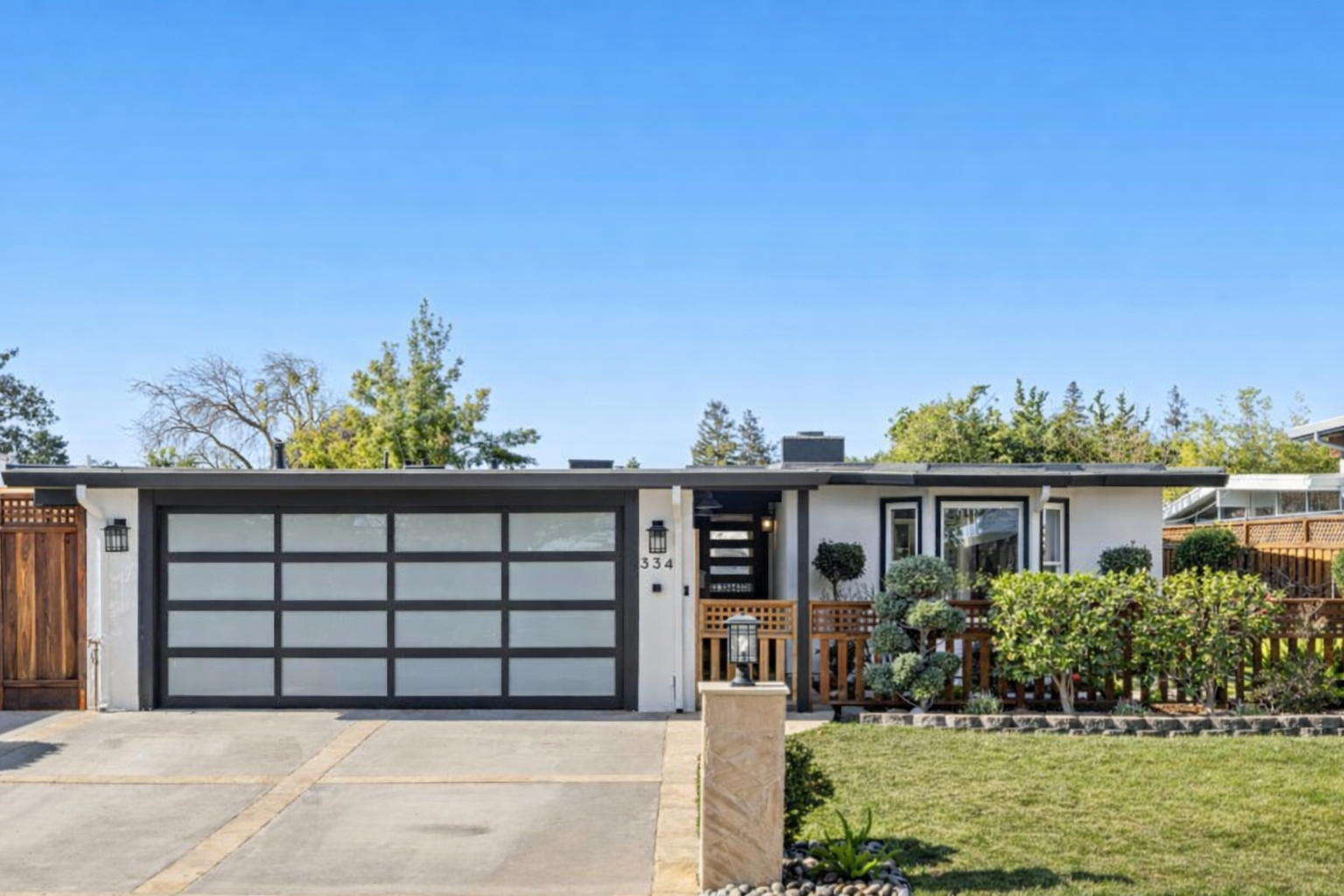
The housing stock in Santa Clara is architecturally varied but with a strong mid-century character. The predominant styles are Mid-Century Modern (including Eichler-inspired tract homes and ranch houses), single-story ranch houses, and newer contemporary infill. The Mackay-built tracts are a key highlight: the city contains three Mackay neighborhoods – Maywood Park, Fairmede, and Sunshine Meadows – which together form a core of authentic mid-century modern homes. These houses often feature open layouts, exposed beams, and floor-to-ceiling glass walls. For instance, the Maywood subdivision is a “one-of-a-kind development of Mid-Century Modern architecture” by Mackay Homes (circa 1954-55) known for its low-pitched gable roofs and indoor-outdoor design. In contrast, Joseph Eichler’s Santa Clara projects (built in the early 1960s) were mostly townhomes rather than the detached houses he was famous for elsewhere. Today about 216 Eichler townhouses in Pomeroy Green (78 units) and Pomeroy West (138 units) remain; despite being condominium projects, they carry Eichler’s architectural pedigree. Outside these, many mid-century houses in Santa Clara were typical ranches or split-levels, built in the 1950s–60s by local developers. In recent years, a layer of contemporary single-family homes has grown on larger lots or through teardown/replacement, especially along major arterials.
Inventory-wise, Santa Clara is dominated by single-family homes, with pockets of condos and townhomes around downtown, the university area, and major shopping centers. A rough breakdown is that well over 80% of residential properties are detached houses; condos and apartments make up most of the rest (zip codes 95050/51/54 each have a mix of 2–3% condo units). True “luxury estates” are rare; even mid-century ranch homes sit on moderate suburban lots (typically 6,000–8,000 sq. ft.). According to recent sales data, the median price for a mid-century single-family home in Santa Clara hovers around the mid-$1 million range (Sunshine Meadows averages about $1.4M), with renovated Eichlers and newer houses commanding even higher values. The overall median home value for the city is about $1.53M. This pricing premium reflects scarcity and demand: Eichler-style residences and iconic Mackay homes in Santa Clara tend to be highly coveted by buyers seeking architectural character.
Real Estate Market Analysis
Santa Clara’s housing market remains highly competitive. According to Redfin, the city’s median sale price was roughly $1.63 million in late 2025, up slightly year-over-year. Homes in Santa Clara routinely receive multiple offers: the typical listed home gets about 9 offers and goes under contract in roughly 23 days, often selling above the listing price. (Redfin assigns Santa Clara a “compete score” around 48/100, meaning many homes face bidding wars.) Demand remains high due to the strong tech-driven economy, while supply is constrained. New listings, especially of mid-century or architecturally significant properties, tend to attract a lot of interest. Inventory levels fluctuate, but sellers generally see quick sales if prices and staging are right. Agents note that off-market “coming soon” listings and private showings (enabled by brokers’ exclusive networks) are increasingly common for high-end homes.
Over the past decade, Santa Clara’s home values have trended upward, even through market swings. While mid-year 2025 saw a modest seasonal pullback, long-term growth has been solid: Santa Clara County saw a median price around $1.65M in spring 2025, and the city’s mid-$1M median is consistent with neighboring Sunnyvale and Cupertino. In fact, Santa Clara’s prices are roughly on par with adjacent Sunnyvale (median ~$1.6M) and slightly below Palo Alto. Compared to zip code variations: 95051 (central Santa Clara) has many smaller tract homes and can show a slightly lower median price than 95050 or 95054, but all three zip codes are generally in the $1.3–$1.6M range. Buyers today must be prepared for a fast-paced market. Overall, the investment outlook remains positive: Santa Clara’s proximity to major tech employers and its enclave of vintage modernist homes make it a durable market for both owner-occupiers and investors.
Case Studies & Success Stories
Local real estate analytics can illustrate these market dynamics. For example, the Boyenga Team (Compass) recently represented a classic Eichler home in Sunnyvale: through professional staging and targeted marketing, they generated multiple offers, ultimately selling the property $350K over the asking price. In another case, they listed a newly built contemporary in Cupertino; by highlighting its modern features (smart home tech, luxury finishes) and pricing aggressively, the property went under contract within days. On Los Altos’s California Avenue, the Boyenga Team took a dated Eichler house, applied Compass Concierge renovations (kitchen and bath updates), and launched a strategic campaign that resulted in a record-setting sale for that neighborhood. These stories underscore the strategies at play: discerning pricing, professional staging, drone and digital marketing, and use of Compass’s off-market platform (Private Exclusives) to engage select buyers. They also show the impact of scarcity: in all these mid-century modern cases, emotional buyer demand drove prices well above typical comparables. In short, sales of Santa Clara’s architecturally significant homes often hinge on specialized marketing; recent examples prove that mid-century modern and Eichler properties can command premiums when managed by experts.
The Boyenga Team Advantage
A key advantage for clients in this market is working with seasoned experts – the Eric & Janelle Boyenga “Boyenga Team” at Compass. The Boyenga Team are Silicon Valley real estate experts, especially known for Eichler and mid-century modern homes. They boast more than a century of combined experience in luxury Bay Area real estate, including dozens of architecturally significant transactions. In fact, multiple industry profiles and accolades highlight their focus: they are widely recognized as Silicon Valley’s leading Eichler and mid-century modern specialists. As “Next-Gen Agents,” Eric and Janelle leverage advanced tools (Compass’s AI pricing models, Concierge renovation services, etc.) and data-driven market reports to guide both buyers and sellers. They maintain extensive off-market networks (private listings, PocketListings) and innovative partnerships – for example, the Boyenga Team pioneered Silicon Valley’s partnership with HomeLight, which helps buyers secure bridge financing to quickly close on high-end homes. On the marketing side, their strategy is comprehensive: they emphasize professional staging, drone/video tours, and storytelling about a home’s architectural heritage. This combination of local mid-century expertise and cutting-edge resources means they consistently achieve premium outcomes. In short, the Boyenga Team’s unmatched knowledge of Santa Clara’s neighborhoods, paired with their technology-driven approach, positions them as leaders in luxury, design-forward real estate. Buyers can trust them to find rare Eichler and ranch-style homes; sellers benefit from their proven record of selling quality modernist properties at top dollar.
Contact Us and Begin Your Mid Mod Journey Today!
Boyenga Team + Compass Eric & Janelle Boyenga 📞 Call / Text : 408-373-1660 📧 Email : MidMods@Boyenga.com 🌐 www.BoyengaTeam.com / www.EichlerHomesForSale.com DRE #01254724 / #01254725