
Foster City, CA: Waterfront Modernism, Planned Living, and a Distinct Peninsula Real Estate Market
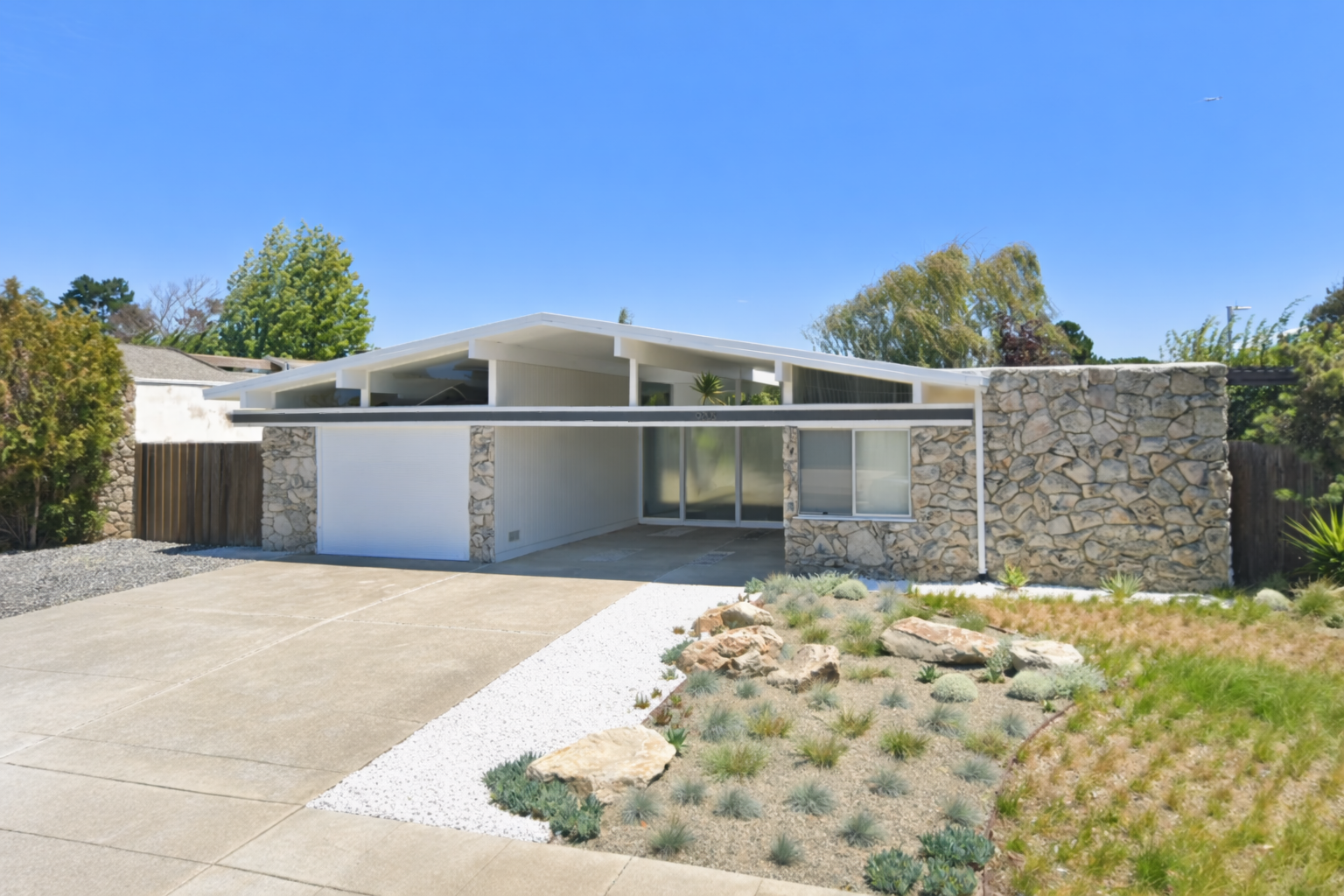
The evolution of the San Francisco Peninsula has long been characterized by a tension between the natural limitations of the Bay and the boundless ambition of its inhabitants. While most neighboring cities grew through the organic, often chaotic sprawl typical of California’s post-war expansion, Foster City stands as a singular monument to the power of meticulous master planning and massive-scale civil engineering. Emerging from what was once a desolate expanse of tidal mudflats and salt ponds known as Brewer’s Island, this “new city” was not discovered; it was manufactured. The vision of T. Jack Foster and his descendants transformed a formidable engineering challenge into a benchmark for contemporary, planned suburban luxury. Today, Foster City represents more than just a successful real estate venture; it is a compelling case study in how strategic urban planning, when fused with the timeless appeal of mid-century modern architecture, creates a self-sustaining ecosystem of high property values, elite educational outcomes, and a lifestyle that remains uniquely resilient in the face of Silicon Valley’s volatile economic cycles.
The Genesis of an Island: T. Jack Foster’s Master-Planned Vision
The narrative of Foster City is inseparable from the biography of T. Jack Foster, a real estate magnate from Oklahoma who viewed the San Francisco Bay not as a barrier, but as a canvas. In 1958, Foster emerged from a brief retirement in Pebble Beach to pursue an unlikely venture: the acquisition of Brewer’s Island. Along with business magnate Richard Grant, Foster secured an option on the land for two hundred thousand dollars, a site widely dismissed at the time as little more than unusable marshland and salt ponds.
What followed was one of the most ambitious private engineering projects in California’s postwar history. To stabilize the soil and raise the elevation of the roughly three-thousand-acre island, Foster’s firm undertook a six-year dredging operation that ran continuously, twenty-four hours a day. More than fourteen million cubic yards of sand were pumped from the San Bruno Shoal in the San Francisco Bay and deposited onto the island, gradually transforming unstable tidal flats into buildable land capable of supporting an entire city.
The financial and legislative complexity of this undertaking matched its physical scale. To finance the infrastructure required—roads, bridges, utilities, and the now-iconic lagoon system—Foster successfully lobbied state legislators to pass California State Senate Bill 51 in 1960. This legislation created the Estero Municipal Improvement District (EMID), a rare public corporation structure that allowed the developers to issue bonds for large-scale infrastructure before municipal incorporation. The EMID became the financial backbone of the project and remains one of only two such entities ever formed in California.
This “new city” concept drew heavily from post–World War II British planning philosophy, which emphasized self-contained communities with clearly defined residential, commercial, and industrial zones. Foster City was deliberately designed so that corporate offices and industrial uses would be concentrated along Highway 101, while residential neighborhoods would be buffered by water, parks, and internal roadways. The result was a city where the traffic and noise of a growing business hub never disrupted the calm of a residential cul-de-sac.
The transition from developer-controlled governance to full municipal incorporation, however, was not without conflict. Residents grew increasingly frustrated with high taxes driven by bond debt and with the lack of direct democratic representation under the EMID. These tensions culminated in a landmark vote on April 27, 1971, when an extraordinary ninety-eight percent of residents voted in favor of incorporation. The early years of cityhood were marked by financial strain, including a major tax default and a subsequent twelve-million-dollar lawsuit filed by the Centex Corporation, which had acquired the Foster family’s interests in 1970. The eventual settlement of these disputes in 1977 marked a turning point, ushering in a period of fiscal stability and cementing Foster City’s reputation as one of the most competently managed municipalities in Silicon Valley.
Historical Milestones in Foster City’s Formation
The arc of Foster City’s development can be traced through a sequence of pivotal milestones. In 1958, T. Jack Foster and Richard Grant’s two-hundred-thousand-dollar option on Brewer’s Island marked the inception of the project. Two years later, in 1960, the passage of State Senate Bill 51 established the Estero Municipal Improvement District, enabling large-scale infrastructure financing. By 1964, the first residents had moved into the newly constructed homes, signaling the transition from engineering project to living community. The decisive incorporation vote of 1971 transferred governance from the improvement district to an elected city council, and the 1977 settlement with Centex Corporation resolved lingering legal and tax disputes, securing Foster City’s long-term stability.
Joseph Eichler: The Visionary of the Atrium
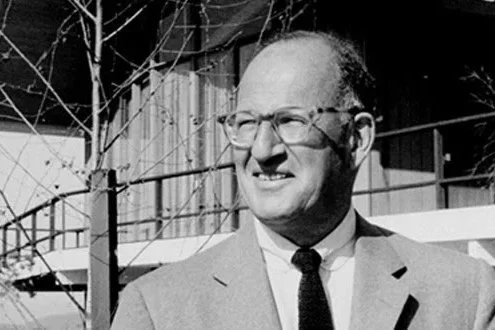
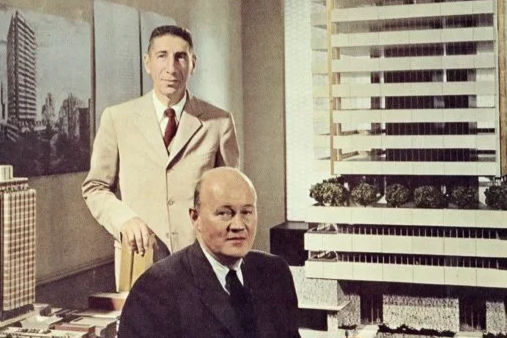
The most influential figure in Foster City’s mid-century modern legacy is Joseph Eichler. A committed social progressive, Eichler believed that high-quality modern design should be accessible to the middle class. To realize this vision, he collaborated with architects such as Claude Oakland and John Brooks Boyd, commissioning site-specific designs intended to dissolve the boundary between interior and exterior space.
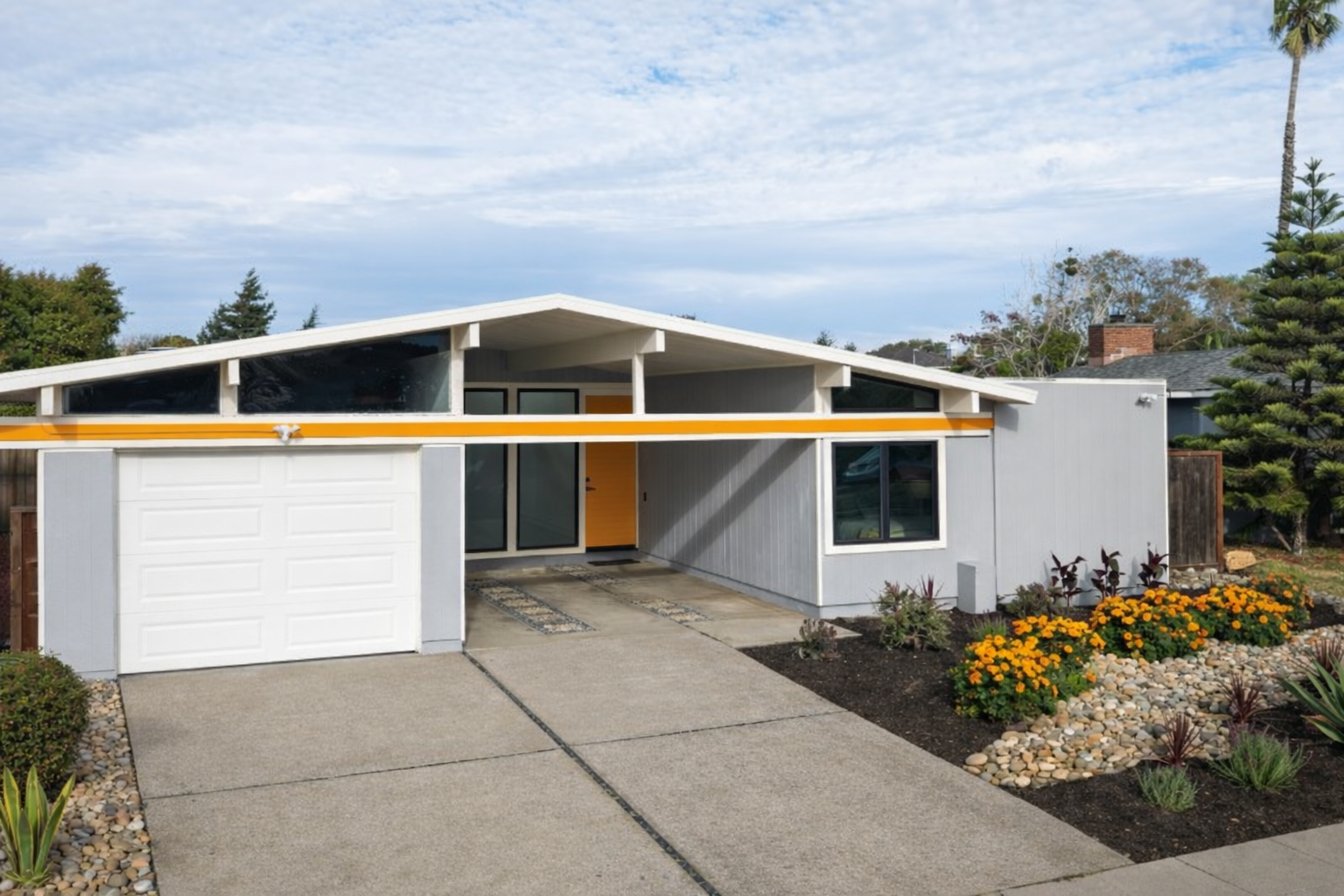
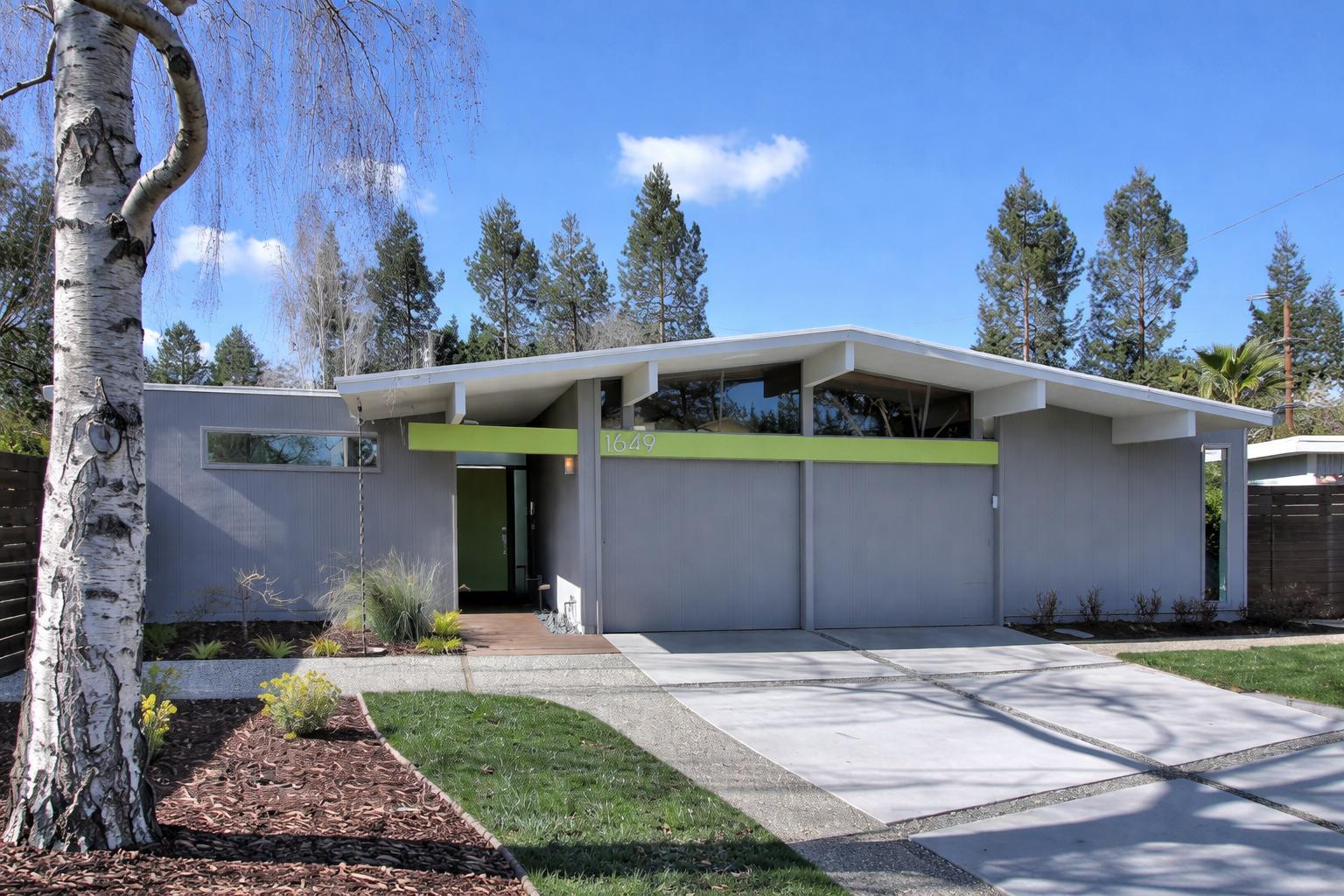
In Foster City, Eichler homes are concentrated primarily in Bay Vista, Treasure Isle, and Marina Point. Unlike the expansive Eichler tracts of Palo Alto or Sunnyvale, the Foster City collection is relatively small—approximately two hundred homes—making it particularly rare. These residences are distinguished by post-and-beam construction that allows for open floor plans and expansive glass walls, as well as by signature features such as central open-air atriums, radiant-heated concrete slab floors, Philippine mahogany paneling, and exposed wood-beam ceilings. In Marina Point, certain models incorporated nautical motifs, including outrigger beams and maritime detailing that reflected the city’s waterfront identity.
Demographic Foundations and the Socioeconomic Engine
Foster City’s socioeconomic profile has evolved dramatically since its inception. In the early 1960s, homes were marketed for under eighteen thousand dollars, positioning the city as an attainable destination for middle-class families, including San Francisco firefighters and young professionals. Over the ensuing decades, the city’s integration into the Silicon Valley economy fundamentally reshaped its demographic and income profile. By 2024, median household income had reached approximately one hundred ninety-three thousand six hundred thirty-three dollars, placing Foster City among the most affluent municipalities in California.
This wealth is underpinned by an exceptionally educated population. More than seventy-four percent of adult residents hold at least a bachelor’s degree, reflecting the city’s strong appeal to engineers, scientists, executives, and other highly skilled professionals. According to the 2020 Census, Foster City’s population stood at roughly thirty-three thousand eight hundred residents, with subsequent estimates suggesting a modest decline from that peak—a trend consistent with broader Peninsula patterns of household consolidation and rising housing costs.
The city’s demographic composition is notably diverse. Asian residents constitute approximately fifty-four percent of the population, followed by a non-Hispanic white population of about thirty-one percent. A substantial portion of residents are foreign-born, contributing to both cultural richness and sustained international real estate demand. This diversity, combined with high educational attainment, reinforces a community culture that places exceptional value on academic achievement and long-term asset preservation.
In recent years, what local analysts describe as the “AI Effect” has further amplified purchasing power in Foster City. As companies such as OpenAI, Nvidia, and other artificial intelligence leaders have driven unprecedented wealth creation, liquidity has flowed directly into Peninsula real estate. Buyers newly enriched through equity compensation and exits increasingly target Foster City properties in the three- to five-million-dollar range, viewing them as both lifestyle upgrades and durable stores of value.
Importantly, Foster City is not merely a bedroom community. It functions as a critical node in the Silicon Valley labor market, hosting the headquarters of major firms including Gilead Sciences, Zoox, and Replit. This concentration of high-value employers provides a robust commercial tax base, allowing the city to maintain exceptional public amenities without the fiscal strain experienced by less planned municipalities. With immediate access to Highway 101 and the San Mateo–Hayward Bridge, Foster City offers a rare “live-work-play” equilibrium that continues to attract the region’s professional elite.
Contact Us and Begin Your Mid Mod Journey Today!
Boyenga Team + Compass Eric & Janelle Boyenga 📞 Call / Text : 408-373-1660 📧 Email : MidMods@Boyenga.com 🌐 www.BoyengaTeam.com / www.EichlerHomesForSale.com DRE #01254724 / #01254725
Demographic and Economic Indicators in Context
Recent data illustrate the depth of Foster City’s socioeconomic engine. Population figures range between approximately thirty-two thousand six hundred and thirty-three thousand eight hundred residents, reflecting a modest post-2020 decline. Median household income stands at roughly one hundred ninety-three thousand dollars, growing at an annual rate exceeding one percent and vastly surpassing state and national averages. More than seventy-four percent of adults hold bachelor’s degrees or higher, underscoring the city’s elite professional base. Foreign-born residents account for more than a third of the broader county population, a factor that continues to drive international luxury investment. Median individual income exceeds one hundred two thousand dollars, highlighting the city’s concentration of high-earning professionals.
The Educational Imperative: School Districts as Value Drivers
In Silicon Valley real estate, school quality is not merely a lifestyle consideration—it is a primary determinant of long-term property performance. Foster City is served by the San Mateo–Foster City School District for kindergarten through eighth grade and the San Mateo Union High School District for high school. Together, these districts form the backbone of the city’s value proposition to families.
Empirical research consistently demonstrates that homes located within high-performing school districts command price premiums of ten to twenty percent over comparable properties in average districts. In Foster City, schools function as both an educational resource and a defensive financial asset. During economic downturns, properties in top-tier districts historically experience shallower price declines and faster recoveries, reinforcing their appeal to risk-aware buyers.
At the elementary level, schools such as Brewer Island Elementary and Foster City Elementary have long been recognized for academic excellence, frequently earning top ratings from evaluators such as Niche and GreatSchools. Bowditch Middle School serves as the city’s primary middle school, consistently producing strong academic outcomes and feeding students into some of the Peninsula’s most competitive high schools.
Although Foster City does not contain a high school within its municipal boundaries, residents benefit from access to highly regarded institutions including Hillsdale High School, San Mateo High School, and Aragon High School, depending on attendance boundaries. Among these, Hillsdale High School stands out as a model of educational innovation. Its “Small Learning Communities” framework divides students into themed houses—such as Florence, Kyoto, and Oaxaca—designed to foster stronger relationships between students and faculty. Developed in partnership with Stanford University, this approach has contributed to graduation rates exceeding ninety-two percent and strong college readiness indicators.
The correlation between these outcomes and real estate demand is direct and powerful. Families routinely stretch their budgets to secure addresses within preferred school boundaries, confident that their housing investment simultaneously advances their children’s educational and professional trajectories.
Educational Institutions and Performance Landscape
Within this educational ecosystem, Brewer Island Elementary serves as a cornerstone of early education and is central to the appeal of several Foster City neighborhoods. Bowditch Middle School functions as the primary bridge to high school, consistently earning top ratings. Hillsdale High School boasts graduation rates above ninety-two percent and a nationally recognized instructional model. San Mateo High School ranks among California’s top public high schools and holds an A+ rating from Niche. Across the K–8 district, enrollment exceeds ten thousand students, with district-wide performance classified as “high” in both English language arts and mathematics proficiency.
Lifestyle Assets: The Lagoon and Park Infrastructure
Beyond demographics and schools, Foster City’s enduring appeal lies in its physical environment. The city is defined by a sixteen-mile network of lagoons and canals that function simultaneously as stormwater infrastructure and aesthetic centerpiece. This system enables a lifestyle unlike any other on the Peninsula, where residents regularly kayak, paddleboard, or use electric boats to visit neighbors and access parks.
At the heart of this waterfront network lies Leo J. Ryan Park, the city’s central gathering place. The park offers boat rentals, waterfront promenades, an amphitheater for concerts and civic events, and trail connections that link multiple neighborhoods. Additional green spaces, including Catamaran Park and Sea Cloud Park, provide expansive athletic fields, playgrounds, and community facilities that reinforce Foster City’s reputation as a family-oriented enclave.
Transportation connectivity further enhances the city’s livability. The Foster City Connections Shuttle provides free service linking neighborhoods to Hillsdale Shopping Center and the regional Caltrain station. Express bus routes, including the FCX, connect Foster City directly to downtown San Francisco, while commuter programs such as Scoop have measurably reduced traffic congestion. These systems collectively allow residents to enjoy a tranquil residential setting without sacrificing regional accessibility.
Public Amenities and Infrastructure in Practice
The Foster City Lagoon system comprises sixteen miles of navigable waterways that serve both recreational and functional purposes. Leo J. Ryan Park anchors the waterfront with boating facilities and community programming. Sea Cloud Park offers large-scale athletic infrastructure, while the FCX Commuter Express provides direct bus service to San Francisco. The Connections Shuttle supplements regional transit with free local access to Caltrain and retail centers.
Mid-Century Modern Architecture: The Soul of the Community
While Foster City encompasses a range of housing styles, its architectural identity is most strongly associated with a rare and finite collection of mid-century modern residences built primarily between 1963 and 1968. These homes represent a critical moment in California architectural history, when experimental modernist ideals were adapted for a planned suburban environment. Today, they function as cultural artifacts that attract design-literate buyers seeking authenticity, indoor-outdoor living, and architectural pedigree.
Architectural Context: Gavello, Bahl, and Stern & Price
While Eichler’s influence dominates, other builders contributed meaningfully to the region’s modernist fabric. Elmer Gavello, often working with Eichler-associated architects at Anshen & Allen, produced homes that echoed modernist principles while offering larger lots and slightly more traditional facades. These homes are frequently mistaken for Eichlers and are prized for their durability and relative scarcity.
George Bahl’s “Bahl Patio Homes” represent a more privacy-oriented approach to modernism. Designed around central courtyards with minimal street-facing windows, these homes emphasize seclusion while maintaining post-and-beam construction and clerestory lighting. Their use of forced-air heating and perimeter foundations has made them easier to retrofit than radiant-slab Eichlers.
Stern & Price offered a hybrid approach, blending mid-century modern elements with ranch-style familiarity. Their homes featured deep roof overhangs, redwood siding, and flexible layouts that appealed to families seeking modern aesthetics without radical departure from traditional forms.
Builders and Architectural Philosophies
Joseph Eichler emphasized indoor-outdoor integration through atriums and glass expanses. Elmer Gavello focused on modern luxury with expansive lot utilization. George Bahl prioritized privacy through inward-facing patio designs. Stern & Price refined modernism into a more accessible hybrid form, while Alliance Homes advanced practical modernism with improved radiant heating systems and efficient layouts.
Narrative Real Estate Market Analysis: Navigating Scarcity and Wealth
The Foster City real estate market is defined by a fundamental imbalance between supply and demand. Despite its planned density, the supply of single-family homes remains extremely limited relative to demand, producing a high-velocity seller’s market. By late 2025, median single-family sale prices routinely exceeded two point two million dollars.
Turnover is exceptionally low. In a city of nearly seven thousand housing units, only about ninety-three single-family sales were recorded through late 2025, yielding an annual turnover rate just above one percent. This scarcity fuels competitive bidding, with homes frequently selling above asking price. Comparable markets such as Redwood Shores recorded average overbids of approximately nine percent, a pattern mirrored in Foster City.
Mid-century modern homes occupy an even higher tier. Authentic Eichlers regularly command median prices above two point eight million dollars, reflecting the architectural premium attached to these finite assets. Their appreciation rates often outpace those of conventional homes, reinforcing their status as long-term investment vehicles amid Silicon Valley’s wealth cycles.
Market Metrics Interpreted
In 2025, median single-family home prices in Foster City ranged from approximately two point two to two point three million dollars, while townhomes and condominiums traded between roughly one point one and one point four million dollars. Price-per-square-foot metrics averaged around eleven hundred dollars for single-family homes, comparable to neighboring Peninsula markets. Median days on market for single-family homes hovered between twenty-five and twenty-seven days, significantly faster than attached housing. Sale-to-list ratios averaged just above one hundred percent, and turnover rates remained among the lowest on the Peninsula.
The Boyenga Team Advantage: Engineering Real Estate Success
In a market as intricate as Foster City, success depends on representation that combines analytical rigor with architectural fluency. The Boyenga Team, led by Eric and Janelle Boyenga, has spent nearly three decades cultivating a reputation as Silicon Valley’s foremost “Property Nerds.” As founding Compass partners, they integrate data-driven strategy with deep expertise in mid-century modern design.
Specialized Expertise in Mid-Century Modern Assets
The Boyenga Team’s specialization lies in their understanding of what they describe as “Eichler DNA.” They approach transactions as stewards of architectural legacy, capable of articulating the nuances of Claude Oakland’s design philosophy or the structural implications of copper radiant heating systems. For sellers, this expertise ensures that homes are positioned to attract buyers who value preservation and are willing to pay corresponding premiums. For buyers, the team’s credibility strengthens offers in competitive, multi-bid scenarios. Their portfolio includes landmark transactions such as the sale of Joseph Eichler’s personal residence in Atherton, a property requiring discretion, architectural sensitivity, and sophisticated marketing. This experience has earned the team recognition from publications including the Wall Street Journal and the New York Times.
The Power of Compass Concierge
A central component of the Boyenga Team’s strategy is Compass Concierge, a program that finances pre-sale improvements with no upfront cost or interest. For mid-century modern homes, this may involve restoring atriums, refinishing original materials, or executing design-sensitive updates that maximize appeal while respecting architectural integrity. The results are measurable. The team has recorded sales achieving nearly fifty percent above asking price after minimal time on market. By removing friction from the preparation process and aligning design decisions with buyer psychology, the Boyenga Team consistently positions properties to capture peak value from both domestic and international demand.
Service Differentiators in Practice
Through Compass Concierge, the team fronts capital for high-return renovations. Their proprietary analytics identify emerging demand and likely sellers. Private Exclusives enable discreet off-market transactions. Architectural specialization ensures mid-century homes are treated as finite assets rather than interchangeable commodities. The global Compass network connects Peninsula listings to elite buyers in markets such as New York, Tokyo, and beyond.
The Resilient Future of Foster City
Foster City stands as a testament to the enduring power of visionary planning. From the dredging of fourteen million cubic yards of sand to the creation of sixteen miles of lagoons, every element of the city was engineered for longevity, stability, and quality of life. The result is a community where mid-century modern architecture thrives alongside one of the most robust socioeconomic engines in the world.
As Silicon Valley advances deeper into the age of artificial intelligence, enclaves like Foster City are positioned to grow even more desirable. Navigating this market requires a synthesis of data literacy and design fluency—a balance exemplified by the Boyenga Team’s “Property Nerd” approach. Through preservation, strategy, and analytics, the legacy of T. Jack Foster’s engineered city and Joseph Eichler’s modernist vision continues to deliver exceptional outcomes for those who call Foster City home.