
Campbell, CA: Where mid-century homes meet walkable streets and everyday Silicon Valley living
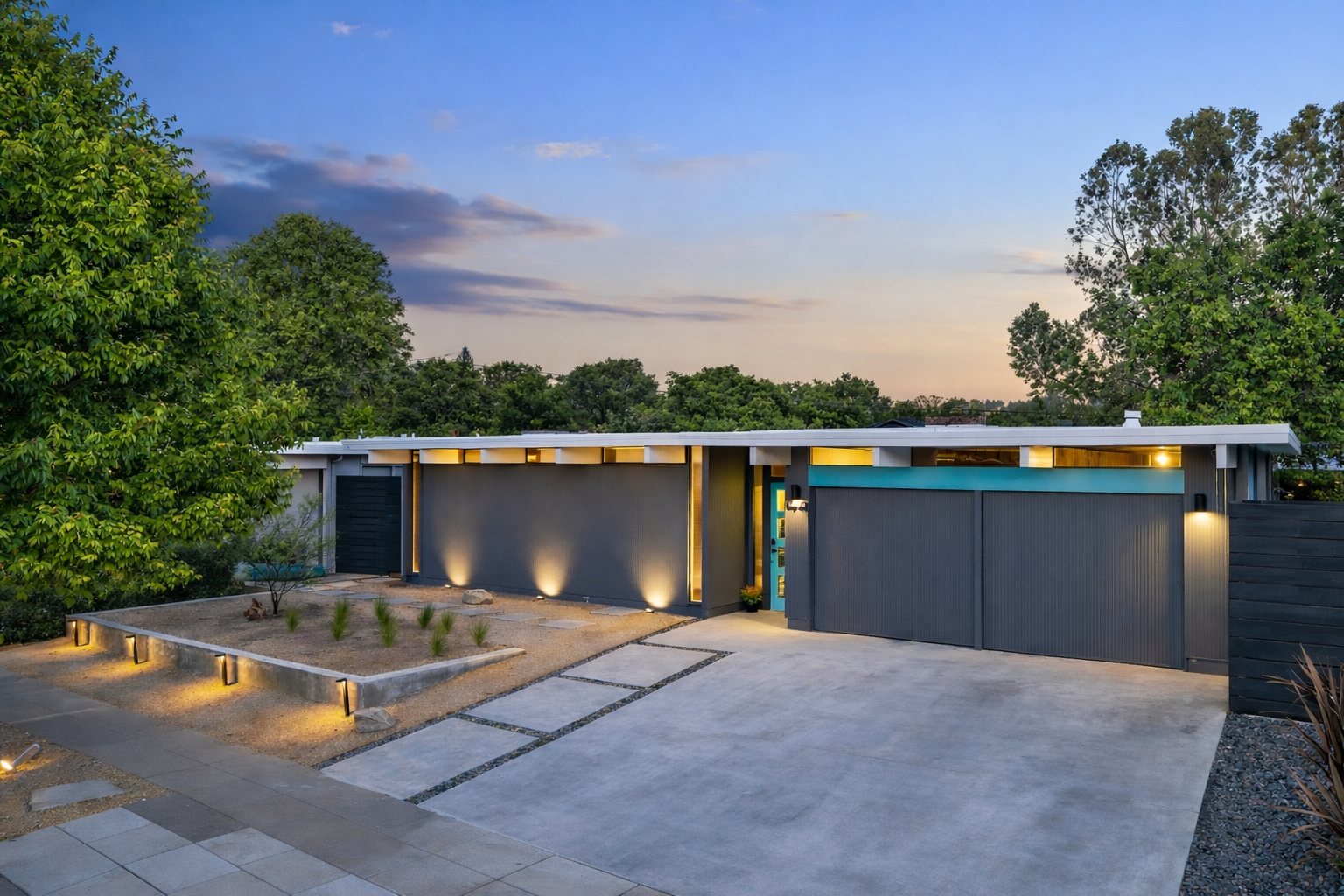
How Human-Scale Planning, Postwar Homes, and Walkability Defined ZIP Code 95008
In a region often dominated by scale—larger campuses, higher density, louder ambition—Campbell offers a counterpoint. Particularly within ZIP code 95008, Campbell represents one of Silicon Valley’s most successful experiments in moderation: a city that absorbed postwar growth, modern architecture, and later tech-driven change without surrendering its neighborhood fabric.
Campbell’s mid-century modern and mid-century–influenced homes were not conceived as statements. They were built as solutions—responses to a growing middle class, a changing workforce, and a desire for livable density. Today, those same homes form the architectural backbone of a city prized for walkability, balance, and long-term value.
What follows is an in-depth, research-backed neighborhood profile—written in a Harvard Business Review–style narrative—that explores how Campbell’s mid-century housing stock emerged, who it serves today, and why it continues to outperform expectations in the South Bay real estate market.
When Growth Met Restraint
Campbell’s origins are agricultural. Like much of the Santa Clara Valley, the city spent the early 20th century defined by orchards rather than subdivisions. That changed decisively after World War II, when returning veterans, industrial expansion, and regional population growth created immediate housing demand.
Unlike neighboring cities that expanded aggressively or ceded identity to commercial development, Campbell chose a measured approach. Residential neighborhoods were planned at a human scale, streets remained narrow and navigable, and the downtown core was preserved rather than bypassed. When mid-century architecture entered Campbell in the 1950s and 1960s, it did so in this context—not as a sweeping redevelopment, but as a quiet overlay on an already cohesive town.
The result was not a single iconic modernist enclave, but a distributed pattern of mid-century homes, ranch houses, and Eichler-adjacent designs integrated throughout 95008.
Mid-Century Without the Monumentality
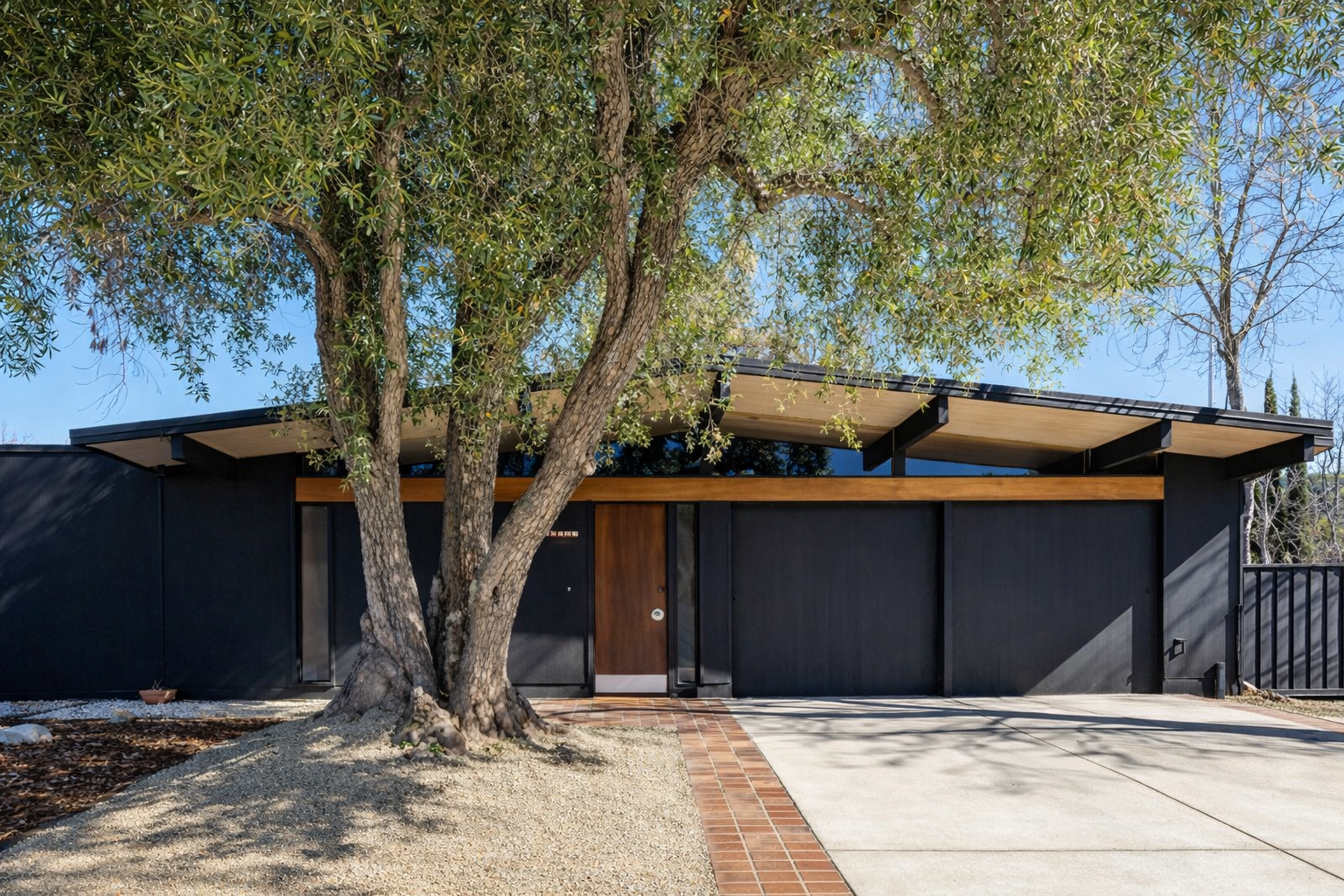
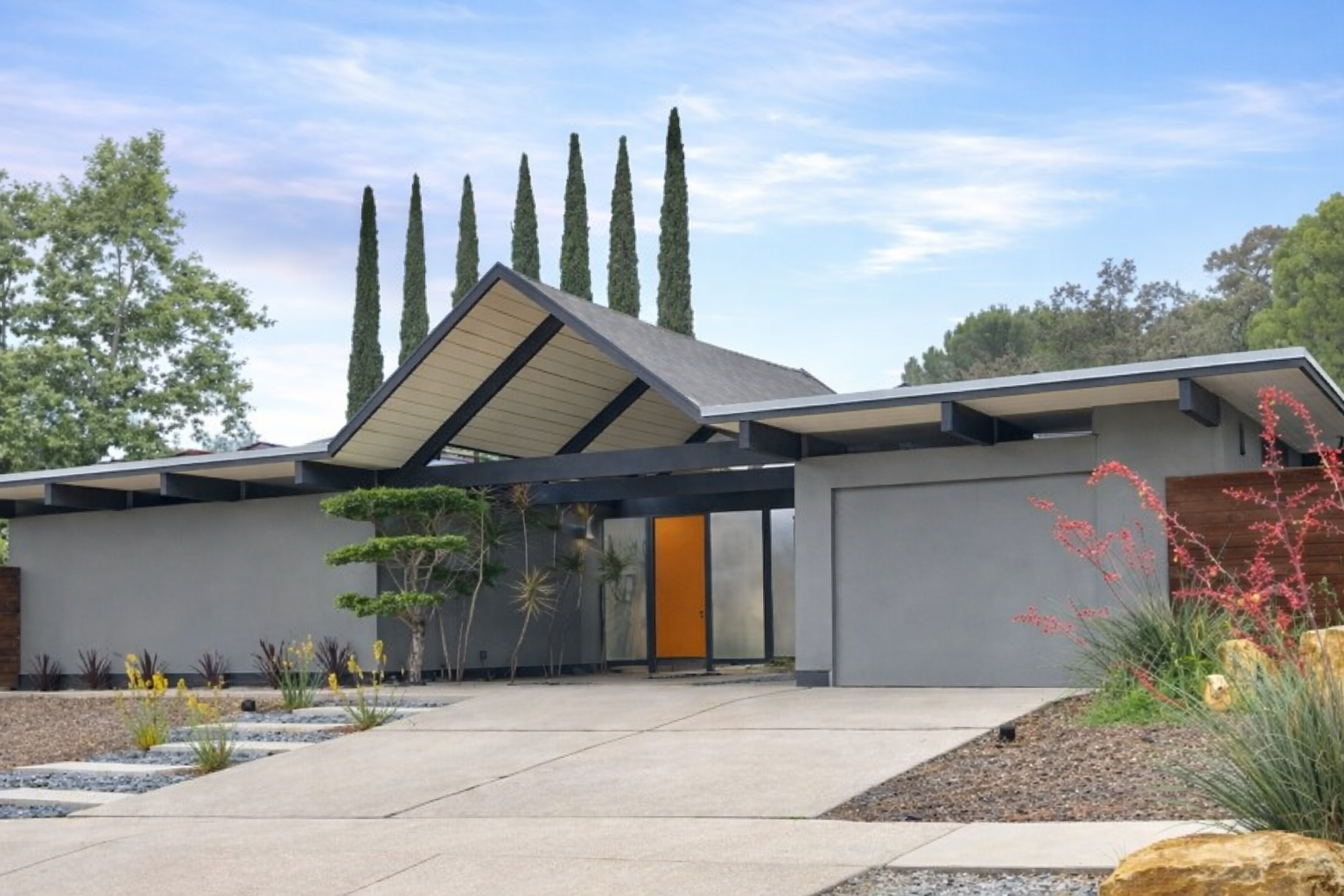
Campbell does not have the concentration of true Eichler tracts found in parts of San Jose or Palo Alto, but that absence is instructive. Here, mid-century modernism took on a more pragmatic form. Homes emphasized openness, light, and indoor–outdoor flow, but within modest footprints and neighborhood-friendly proportions.
Throughout Campbell’s residential streets, particularly near the Los Gatos border and west of downtown, buyers encounter:
Single-story ranch and mid-century homes from the 1950s–1970s
Post-and-beam–influenced designs without full atriums
Renovations that preserve original layouts while modernizing systems
These homes were built for longevity, not spectacle. Their appeal today lies in flexibility: open plans that adapt easily to modern living without requiring architectural reinvention.
The Demographic Advantage of Balance
Campbell’s demographic profile reflects its architectural ethos. Within ZIP code 95008, residents are diverse, educated, and professionally varied. Household incomes are strong but not extreme, creating a community defined less by wealth signaling and more by quality-of-life alignment.
The city attracts:
Technology and engineering professionals working across Silicon Valley
Healthcare and education workers
Dual-income households seeking walkability and schools
Long-term residents who bought mid-century homes decades ago and stayed
Ethnic and cultural diversity is one of Campbell’s quiet strengths. It shows up in local businesses, schools, and civic life, contributing to a sense of stability rather than churn. Migration trends over the past decade indicate renewed interest from buyers leaving higher-priced enclaves in search of architectural character without the premium attached to prestige ZIP codes.
Contact Us and Begin Your Mid Mod Journey Today!
Boyenga Team + Compass Eric & Janelle Boyenga 📞 Call / Text : 408-373-1660 📧 Email : MidMods@Boyenga.com 🌐 www.BoyengaTeam.com / www.EichlerHomesForSale.com DRE #01254724 / #01254725
Schools as a Market Anchor
Education plays a central role in Campbell real estate decisions, and mid-century neighborhoods are no exception. Homes in 95008 are primarily served by the Campbell Union School District (K–8) and the Campbell Union High School District.
School boundaries materially influence pricing, particularly for entry-level and move-up buyers. While Campbell’s schools vary by neighborhood, strong elementary assignments often elevate mid-century homes beyond what size alone would suggest.
Campbell also benefits from proximity to higher education institutions such as San Jose State University, West Valley College, and Santa Clara University, reinforcing long-term demand from academically oriented households.
A Lifestyle That Makes the Architecture Work
Mid-century homes succeed when the surrounding environment supports them—and Campbell does. Downtown Campbell remains one of the South Bay’s most functional and authentic main streets, offering dining, retail, and community events without over-commercialization.
The Los Gatos Creek Trail serves as both a recreational asset and a connective spine, linking neighborhoods to parks and open space. This integration of daily life and outdoor access mirrors the design logic of Campbell’s postwar homes, which were built to blur the boundary between inside and out.
Commute access further strengthens the city’s appeal. Campbell sits near Highways 17, 85, and 280, offering reasonable access to major tech employers in Cupertino, Sunnyvale, Mountain View, and downtown San Jose—without sacrificing residential calm.
Housing Inventory as a Constraint—and a Strength
Campbell’s housing inventory is predominantly single-family, with a limited but growing presence of condos and townhomes near transit and downtown. Within this context, mid-century and ranch-style homes represent a finite and increasingly valuable subset.
Architectural styles in 95008 include:
Mid-century modern and mid-century–influenced homes
California ranch houses
Contemporary infill projects
Small-scale townhome developments
True teardown activity remains limited. Community norms, lot sizes, and zoning constraints favor renovation over replacement, preserving neighborhood cohesion and protecting long-term value.
Market Performance: Consistent, Not Speculative
From a market perspective, Campbell’s mid-century homes demonstrate resilience. Median home prices in 95008 continue to trend upward over time, with less volatility than more speculative markets. Well-presented mid-century homes often outperform neighborhood averages, particularly when original layouts are respected and updates are design-consistent.
Inventory remains tight, days on market favor prepared sellers, and demand is driven primarily by owner-occupants rather than investors. Compared with neighboring ZIP codes such as Los Gatos or Willow Glen, Campbell offers a stronger price-to-lifestyle ratio—an increasingly important metric for modern buyers.
Case Studies in Subtle Strategy
Successful mid-century sales in Campbell rarely rely on theatrics. Instead, they hinge on correct pricing, thoughtful staging, and accurate storytelling around layout, light, and location. Several notable transactions represented by the Boyenga Team illustrate how pre-market positioning, Compass-powered analytics, and buyer education can unlock full value in a nuanced market.
In each case, the objective was alignment rather than urgency—matching the right buyer to the right home without forcing momentum.
The Boyenga Team Advantage in Campbell
Campbell rewards agents who understand context. Generic strategies underperform here; precision succeeds.
Led by Eric and Janelle Boyenga, the Boyenga Team brings deep South Bay fluency and architectural sensitivity to Campbell’s mid-century and ranch-style homes. Their ability to evaluate design integrity, renovation quality, and neighborhood nuance allows them to price and position homes with accuracy rather than optimism.
As part of Compass, and through exclusive partnerships such as HomeLight, the team leverages advanced data tools, off-market exposure, and targeted outreach—particularly effective in Campbell’s high-consideration, low-noise market.
A City That Aged Well by Design
Campbell’s mid-century homes endure because the city itself aged well. Growth was absorbed, not imposed. Architecture adapted without being erased. Neighborhoods retained their scale while welcoming new residents and new ideas.
For buyers, Campbell offers authenticity without pretense.
For sellers, it demands care, credibility, and informed strategy.
And within ZIP code 95008, mid-century homes remain not just artifacts of a design era—but living frameworks for a balanced Silicon Valley life.