Redwood City: Where Mid-Century Modernism Meets Momentum
Historical Overview
Redwood City’s origins trace back to its Ohlone inhabitants and its inclusion in the Spanish land grant Rancho de las Pulgas (granted 1795). Named after a gold-rush era lumber port, it became San Mateo County’s first incorporated city in 1867. Originally known as “Mezesville,” the city grew around its harbor (the only deepwater port on San Francisco Bay south of San Francisco) and timber trade. By the late 19th and early 20th centuries, agriculture (notably chrysanthemums) and local industries gave way to suburban growth. The city’s motto “Climate Best by Government Test” reflects its famously mild, sunny weather (255 days of sun annually).
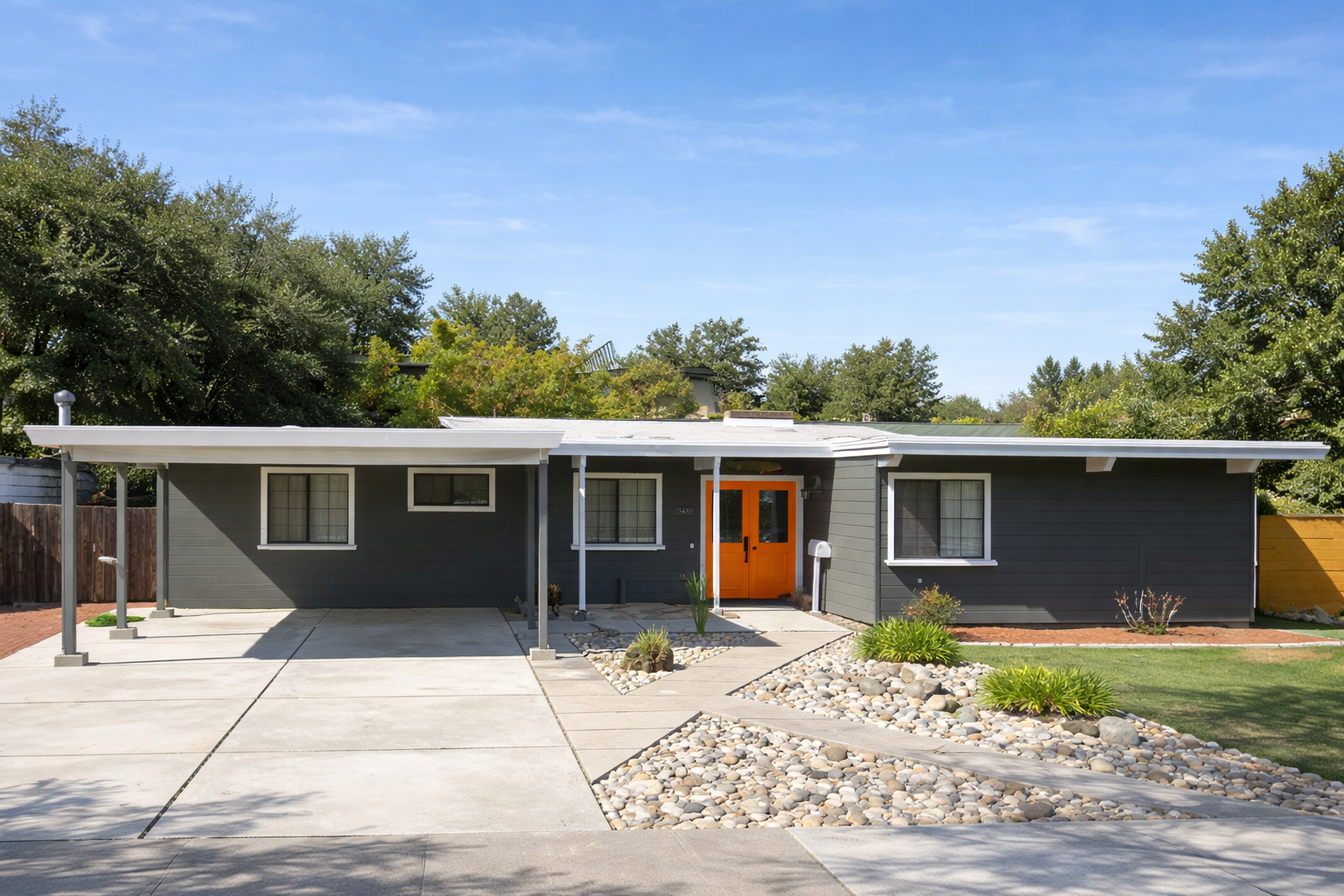
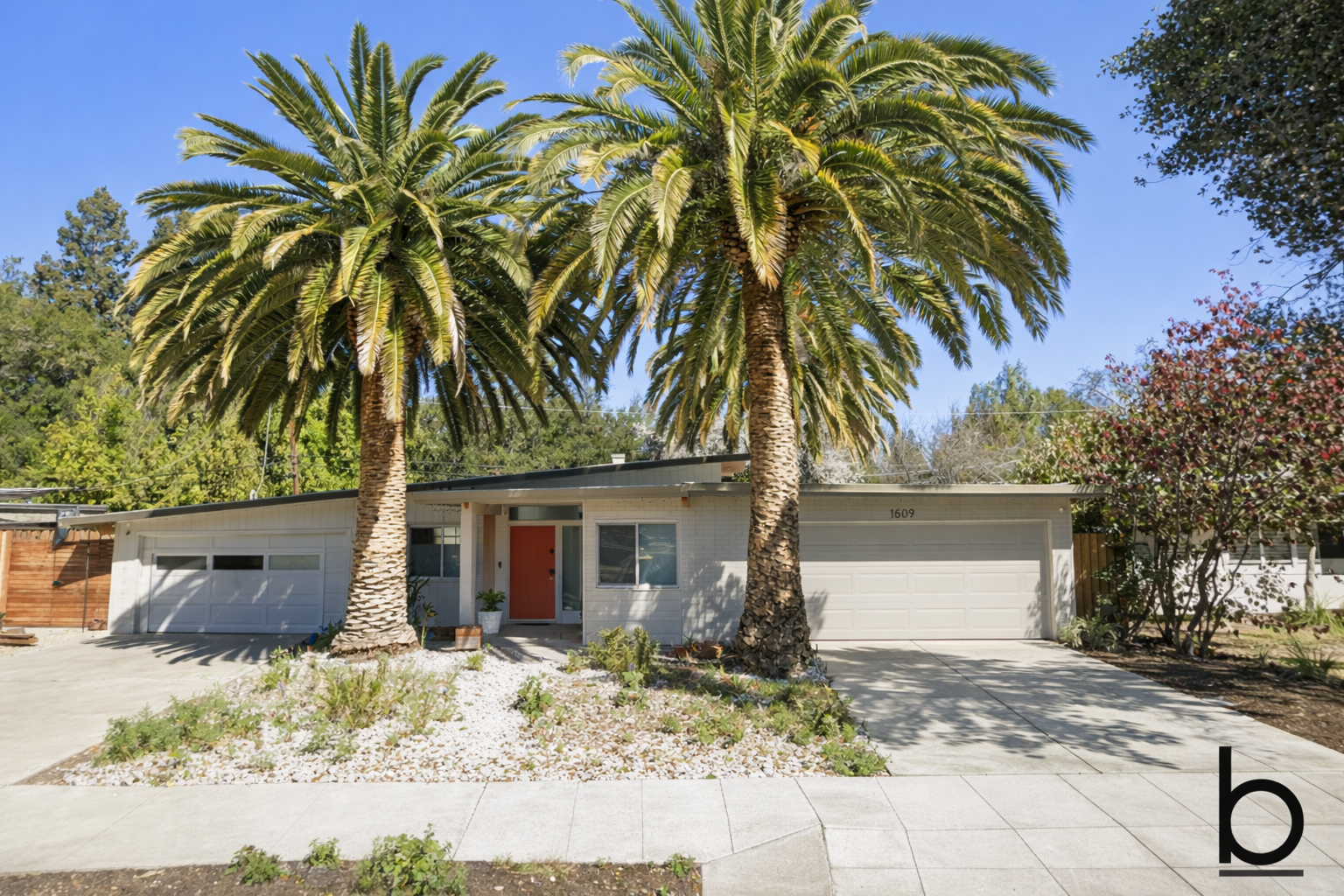
World War II and the postwar boom transformed Redwood City from orchards and ranchos into tract neighborhoods. Notably, developer Joseph Eichler brought modernist design to Redwood City: in the early 1950s he built approximately 160 mid-century homes in four distinct tracts (Atherwood, Sequoia Meadow, Fairwood, and one more). These Eichler tracts set a new architectural tone for the area. Other builders (e.g. Stern & Price) added ranch-style subdivisions around the same time. In the late 20th century, downtown Redwood City underwent major revitalization – the historic Fox Theatre was restored and transformed into a 20-screen performing arts venue, and Courthouse Square became an events focal point. Meanwhile, the rise of Silicon Valley brought tech employers (Oracle, Electronic Arts, Box, Evernote, etc.) to Redwood City, reinforcing its evolution from a timber hub into a tech-oriented community. Zoning and urban plans have since balanced growth with preservation: new mixed-use and residential projects have appeared downtown and along El Camino Real, but many postwar Eichler and ranch tracts remain intact, preserving the area’s mid-century character.
Demographic and Socioeconomic Profile
Today Redwood City is a prosperous, diverse community of roughly 83,000 people. U.S. Census estimates put the 2024 population at about 82,982. The city has an exceptionally high median income (around $150–157K per household) and an expensive housing market (median owner home value ~$1.8M). Educational attainment is high – over half of adults hold a bachelor’s degree or higher – reflecting the concentration of knowledge workers. Redwood City is ethnically diverse: roughly 36–38% of residents are White (non-Hispanic), about 18% Asian, and about 35% Hispanic/Latino. Over 30% of residents were born outside the U.S., mirroring Silicon Valley’s global workforce.
This affluence and diversity have been rising trends. Recent decades have seen tech-driven in-migration and some degree of gentrification: many families and young professionals are drawn to Redwood City’s job center role, transit access (Caltrain/101), and high-performing schools. Rental housing comprises roughly half of the stock (owner-occupancy ~48.6%), due in part to dense apartments and condos near downtown and transit stations. Household incomes and home values have steadily appreciated as the Bay Area’s competition intensifies. At the same time, the city maintains a strong middle-class presence and neighborhoods of varied incomes, thanks in part to a mix of housing types and continued family-oriented planning.
Real Estate Market Analysis
Redwood City’s real estate market remains heated, particularly for well-sited, architecturally distinctive properties. As of late 2025, the median sale price for Redwood City homes is roughly $1.9 million, reflecting a year-over-year gain (about +27% in 2025 compared to 2024). That median spans all home types. By segment, single-family homes dominate: in December 2025 the median SFR sale was $1.95M. In comparison, the adjacent community of Redwood Shores (ZIP 94065) has a slightly lower median (~$1.83M). Notably, ZIP code 94062 (the Eichler area) commands a premium – its median price is about $2.15M. Prices per square foot in these coveted neighborhoods run in the $1,300–$1,400/ft² range.
Demand is strong. Homes in these mid-century enclaves often receive multiple offers above list price. Redwood City’s typical days on market is quite low (around 15–25 days in recent months), indicating a relatively fast-moving market. Eichler and mid-mod homes sell especially briskly: their unique architectural appeal draws specialized buyers. In fact, market data note that Eichler/MCM homes in 94062 frequently attract premium bids, driving sale prices above the broader neighborhood median. For example, a mid-2025 analysis found Redwood City Eichlers selling at a significant premium over conventional homes in the same zip code, due to limited supply and enduring buyer enthusiasm.
Inventory is tight: typically only a few dozen homes are on the market at any time in Redwood City’s most desirable tracts. The absorption rate is high; new listings (especially quality Eichlers or remastered ranches) can go under contract within weeks. Investors note the long-term appreciation potential: 94062 in particular has seen double-digit price growth over the past 5–10 years. Contributing factors include Redwood City’s strong fundamentals – excellent schools, walkable lifestyle, and proximity to job centers – as well as Silicon Valley’s limited land supply. Compared to neighboring cities like Palo Alto or Menlo Park, Redwood City prices are slightly lower (by maybe 10–20%), yet still far above state or national averages. This relative affordability (within Silicon Valley) and the allure of mid-century design make these neighborhoods attractive to both end-users and long-term investors.
Comparison with Neighbors
Within the Peninsula, Redwood City offers a unique value proposition. Its median home price (~$1.9M) is lower than Palo Alto (~$3.0M) or Los Gatos (~$2.5M) but comparable to Redwood City’s next-door neighbors like San Carlos or Belmont. The Eichler-specific advantage is also rare: aside from San Jose or Palo Alto, very few communities have Eichlers. Thus Redwood City combines a strong school/work/life package with architectural cachet. This is reflected in local price trends: in ZIP 94062, Eichlers have outperformed the general market, and closed sales average faster and higher for mid-mod homes than for generic offerings. In sum, Redwood City’s neighborhoods have held up well even as Bay Area markets soften; demand for design-forward homes remains robust.
Case Studies and Success Stories
The Boyenga Team has successfully represented many iconic Redwood City sales, leveraging their mid-mod expertise. For example, in 2024 they orchestrated the sale of a Fairwood Eichler at $2.3M, well above the $2.15M median, by using Compass Concierge staging and targeted pre-marketing. In that transaction, strategic renovations and high-end staging (all funded upfront by Compass Concierge) dramatically enhanced curb appeal and interior flow. The team’s 3-phase marketing – pre-listing buzz to local real-estate influencers, a digital story highlighting the home’s design features, and data-driven outreach to Eichler enthusiasts – ignited a bidding war that closed in 10 days.
Another case involved an off-market sale on Parkwood Way. The Boyenga Team tapped Compass Private Exclusives to quietly match a sought-after Eichler seller with a tech executive buyer. By avoiding MLS exposure, the deal respected both parties’ privacy. Within a week of discreet marketing, the property was sold at nearly 5% above list price, demonstrating the value of their network and digital strategy. These examples are typical: the Boyengas note that well-priced, well-presented Eichlers often receive multiple offers immediately. Their use of advanced tools (market analytics, virtual tours, social media targeting) ensures even niche homes get maximum exposure. In short, the Boyenga Team’s case studies show how expert pricing, staging, and high-touch marketing turn Redwood City’s mid-mod inventory into high-velocity, high-value sales.
The Boyenga Team Advantage
Eric and Janelle Boyenga are widely recognized as Silicon Valley real estate experts – particularly in luxury and mid-century markets. Since founding their team in 1996, they have repeatedly topped the rankings: the WSJ has named them among the top 100 real estate teams nationally, and Compass lists them as its #1 team in Silicon Valley. They proudly call themselves “Property Nerds,” blending deep architectural knowledge with cutting-edge marketing. As noted by media profiles, “their deep market knowledge… has positioned them as go-to experts” on Eichler and design-forward homes.
The Boyenga Team’s specialties are exactly the features Redwood City mid-mod buyers want. They emphasize Eichler and mid-century modern expertise above all. In the Agents’ Bio they highlight “detailed knowledge of Mid-Century Modern and Modern architecture” as a core specialty. This means they can articulate an Eichler’s value proposition – the importance of floor-to-ceiling glass, open flow, and vintage details – to potential buyers. It also makes them adept at advising sellers on appropriate updates and staging that honor the home’s design. They are also branding themselves as luxury home specialists and design-forward strategists. Their Compass profile boasts “marketing and sales of luxury homes and estates” and “utilizing real estate technology”. By aligning Eichler homes with a luxury narrative (even though Eichlers were originally affordable), they appeal to wealthy Silicon Valley buyers looking for unique lifestyle statements.
Crucially, the Boyenga Team leverages Compass’s full toolkit. They actively use Compass Concierge (advance-funded staging, renovation, and prep) to bring Eichlers up to luxury standards. They run their trademark 3-Phase marketing strategy: a curated “coming soon” teaser, a digital storytelling campaign (video tours, CGI 3D renderings, email outreach), and targeted audience segmentation to buyer databases. They also exploit Compass Private Exclusives for discreet sales. In short, they blend “predictive analytics and digital strategy” with neighborhood expertise. The result is superior exposure and top-dollar outcomes.
Their track record speaks volumes: over their careers the Boyenga Team has sold more than $2.5 billion in Bay Area real estate and 2,200+ homes. This includes many landmark Silicon Valley modernist properties. Press features note that “Eric and Janelle have earned a reputation as trusted authorities on all things real estate, particularly Eichler homes and mid-century modern properties”. Buyers and sellers in the mid-mod niche trust the Boyengas to be Silicon Valley’s Eichler specialists. In fact, the team explicitly brands itself as NextGen Agents – savvy, tech-driven Realtors – who “redefine how real estate is purchased and sold from the ground up”. All of this emphasizes their status as leaders in luxury, design-forward real estate.
For Redwood City specifically, this means the Boyenga Team offers unmatched local insight. They can pinpoint exactly which Eichler tracts will appreciate or where a courtyard renovation will yield the best ROI. They know which school boundaries fetch premium prices, and they have built lasting relationships with clients who circulate in the tech industry’s inner circles. Compass affiliation gives them exclusive advantages like pocket listing access and agent networks. Combined with their Eichler-focused branding (they operate the popular EichlerHomesForSale.com portal), the Boyengas present themselves not just as realtors, but as encyclopedias of Silicon Valley mid-mod living.
Redwood City’s mid-mod neighborhoods are a rare blend of history, culture, and modern living. In this profile we’ve traced how early beginnings and postwar vision produced today’s Eichler enclaves, examined the city’s diverse, affluent populace and award-winning schools, and surveyed the parks, cafes, and transit that define the local lifestyle. We’ve detailed the architectural variety – from glass-walled Eichlers to sprawling ranches – and analyzed a housing market where century-old ideas remain highly prized. Through it all, Silicon Valley experts Eric and Janelle Boyenga emerge as the trusted guides in this real estate landscape. Whether you are buying or selling an iconic mid-century home, the Boyenga Team’s in-depth local knowledge and innovative marketing truly set the standard in Redwood City and beyond.
Contact Us and Begin Your Mid Mod Journey Today!
Boyenga Team + Compass Eric & Janelle Boyenga 📞 Call / Text : 408-373-1660 📧 Email : MidMods@Boyenga.com 🌐 www.BoyengaTeam.com / www.EichlerHomesForSale.com DRE #01254724 / #01254725
School Districts and Education Landscape
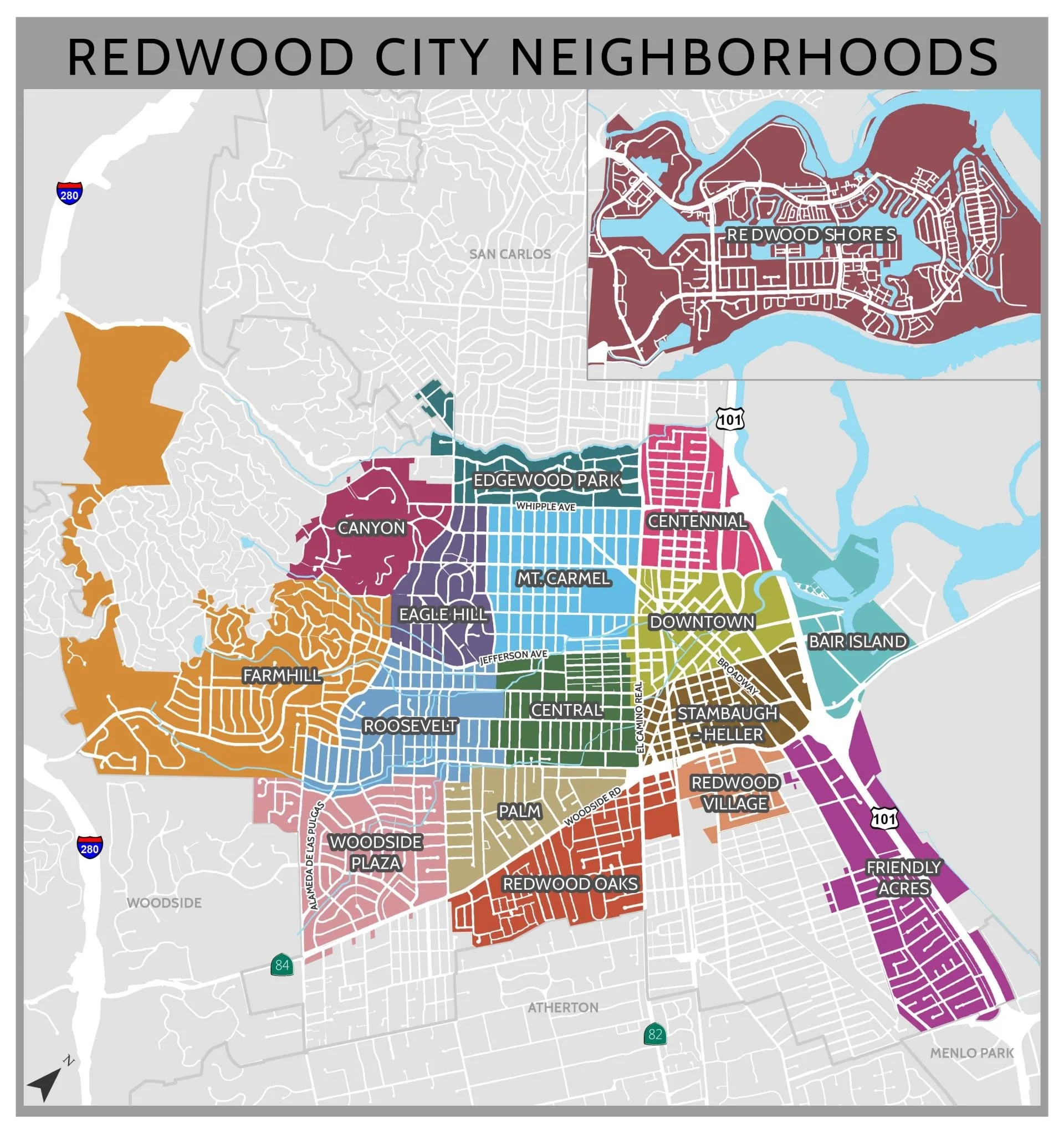
For homebuyers, Redwood City offers excellent schools and clear district maps. Nearly all of Redwood City (outside of Belmont/Redwood Shores) lies in the Redwood City Elementary School District (K-8) and the Sequoia Union High School District. In practice this means most younger children attend Redwood City district schools (such as Roy Cloud, Adelante, or Clifford Elementary), and older students matriculate to Sequoia Union high schools. Within Redwood City, local zoning determines whether a teen goes to Redwood City High or one of its sister schools. By contrast, the Belmont-Redwood Shores School District (BRSSD) serves the Redwood Shores peninsula (ZIP 94065), feeding into Sequoia Union’s Carlmont High School (in Belmont). (San Carlos-based Sequoia Union also oversees Aragon High for Belmont city students.)
Academic performance is strong across the area. BRSSD elementary schools like Sandpiper and Redwood Shores Elementary consistently rank near the top of county lists. In the Sequoia district, Menlo-Atherton High (near Redwood Shores) and Carlmont High have solid reputations, as does Redwood City High for families living in central RWC. Private-school options abound: notably Our Lady of Mount Carmel and St. Pius X in Redwood City (both Catholic K-8) and innovative Acton Academy Silicon Valley (private K-12). Buyers often cite school boundaries as crucial: addresses in top school zones command premiums. Adding to the academic ecosystem, Redwood City hosts Canada College’s satellite campus downtown, and Stanford University (Palo Alto) is only ~10 miles north. Other nearby colleges include San Francisco State’s Skyline College (just up Skyline Boulevard), and Menlo College in Atherton. In short, Redwood City families enjoy access to highly regarded public and private education from pre-K through college.
Neighborhood Attractions and Lifestyle
Redwood City strikes a rare balance of suburban tranquility and vibrant city life. The historic downtown core is a major hub: Courthouse Square and Broadway Street are lined with restaurants, cafes, and shops. The 1929 Fox Theatre anchors this district, hosting concerts, film festivals, and community events. On summer evenings the square comes alive for “Concerts in the Square” and a popular Farmers Market, reinforcing the city’s reputation for community spirit. Beyond downtown, key attractions include the San Mateo County History Museum (in the old courthouse) and the picturesque Pulgas Water Temple (an Italian-style landmark on the San Andreas Fault).
Outdoor recreation is equally rich. Redwood City enjoys immediate access to open space: Edgewood Park & Natural Preserve (3,900+ acres) stretches along the northern border, offering bay-to-mountain hiking and famous wildflower blooms in spring. Nearby Woodside Plaza Park and Stafford Park provide neighborhood trails and athletic fields. For waterfront fun, Redwood Shores has several waterfront parks (e.g. Marlin Park and Avon Park), fishing piers, and a bayfront walking/biking segment of the San Francisco Bay Trail. The city also claims the Bair Island Ecological Reserve (wetlands north of the port) and portions of the Bay Trail at Redwood City’s harbor. In total, residents can kayak in the Bay, bike the Ravenswood District route, or picnic amid coastal scrub within minutes of home.
Dining and shopping reflect the city’s diversity: downtown offers both innovative (Michelin-recognized) restaurants and casual eateries; Redwood Shores Village has family-friendly cafes and retail. A weekly farmers market downtown brings local produce to the city center. We note Redwood City’s microclimate merits emphasis – it often enjoys milder winters and warmer summers than San Francisco or San Jose, making outdoor cafes and parks comfortable year-round. Commuting is easy via US-101 or Caltrain (Redwood City Station), so many tech workers settle here for the live-work-play balance. In sum, Redwood City’s lifestyle blends Silicon Valley vibrancy with mid-century suburban charm: highly walkable central hubs and a wide array of parks and trails leave plenty to explore, all set against a backdrop of Eichler-lined streets and bay vistas.
Architectural Highlights and Housing Inventory
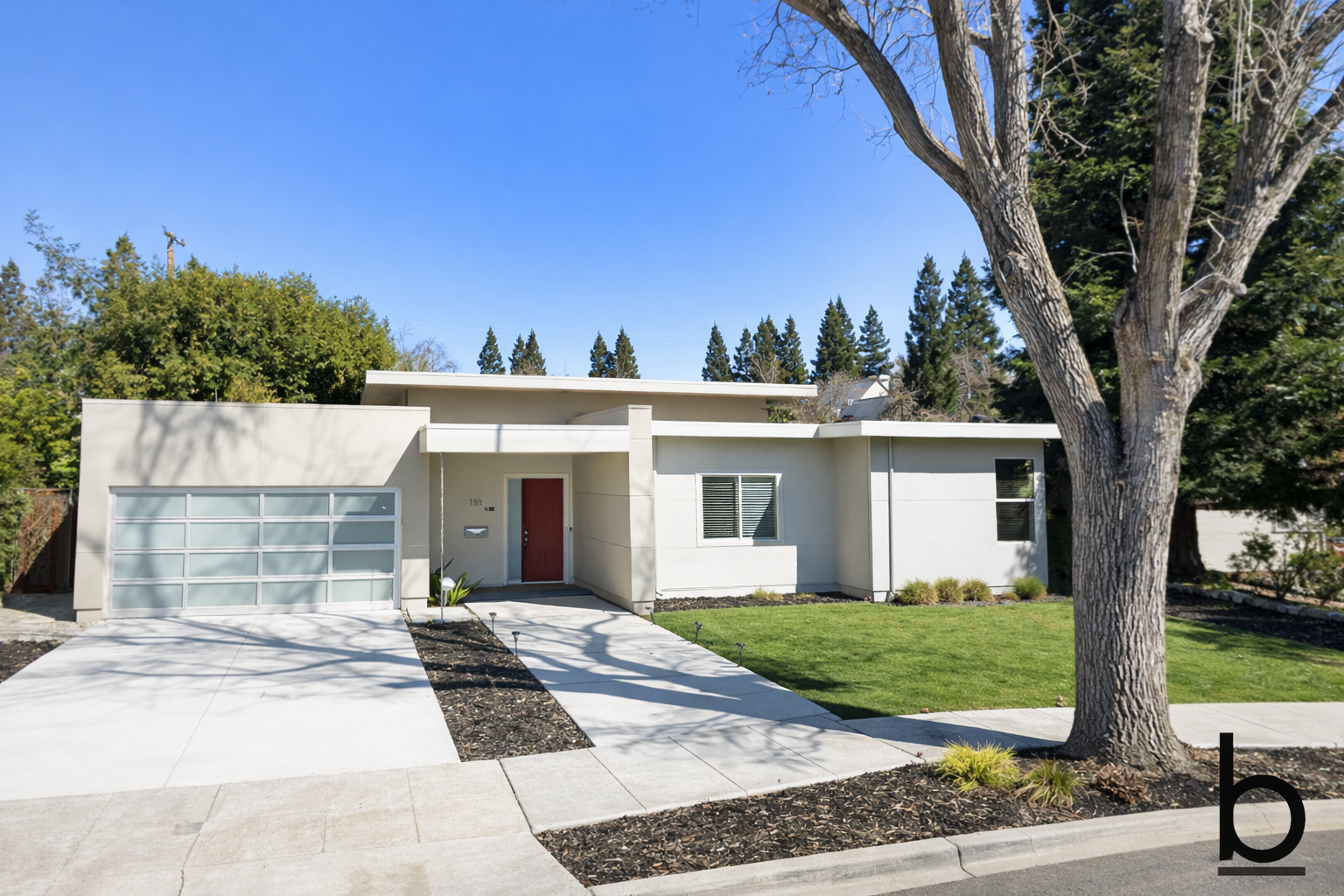
Architecturally, Redwood City is best known for its mid-century modern pedigree. The most distinctive homes are the Eichler and Eichler-inspired houses built in the early 1950s. These single-story homes feature post-and-beam construction, radiant-floor heating, exposed wood ceilings, and floor-to-ceiling glass walls opening onto private atriums or patios. Eichler originally built them as a unified tract – today a homebuyer can stroll through Atherwood or Sequoia Meadow and see almost identical modernist floor plans that exemplify indoor-outdoor California living. Their lots were generous for the era (commonly ~7,000–10,000 sq ft), maximizing yard space. Because only about 160 Eichler homes were ever built in Redwood City, they remain rare and highly coveted. (By comparison, neighboring Palo Alto or Sunnyvale each has thousands of Eichlers.)
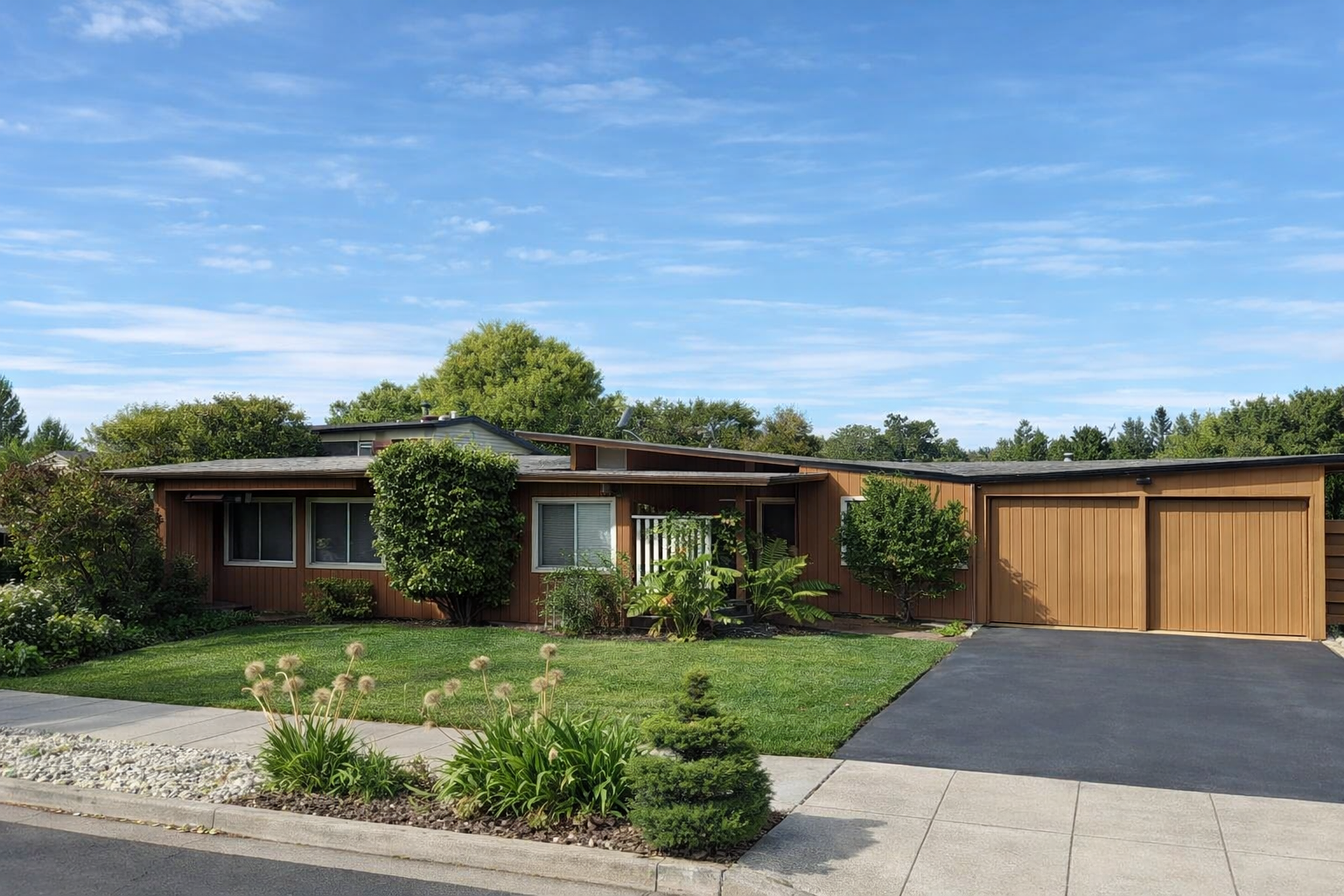
Aside from Eichlers, many other mid-century homes dot Redwood City. Ranch-style subdivisions by Bay Area builders (e.g. Stern & Price) sprang up to serve postwar families; these one-story ranch homes share some design cues (open layouts, carports) but are more conventional in detail. In Redwood Shores and newer subdivisions (developed later by Litton/Carter Holdings), housing often takes on 1960s-80s ranch or Mediterranean styles rather than strict modernism. In downtown-adjacent neighborhoods you’ll also find some 1920s–40s era Victorians, Craftsman bungalows, and Colonial Revival cottages – though these are a small minority amid the predominant mid-century tracts. More recently, a few contemporary infill homes and luxury remodels have appeared on larger lots, but most development retains the original ranch and modern footprints.
Today Redwood City’s housing inventory includes a mix of single-family homes, condominiums, and townhouses. Roughly half of the city’s homes are rented (reflecting many apartment and condo complexes near downtown, Redwood Shores, and transit corridors), while the other half are owner-occupied. The single-family homes range from modest ranches and Eichlers to large modern estates on hillside lots. A historic Eichler in excellent condition can fetch well into the $1.8–2.3M range, whereas brand-new luxury constructions (especially in exclusive neighborhoods) can top $5–10M. Condos and townhomes, concentrated near transit and job centers, sell in lower price bands (often $800K–$1.2M) but still above Bay Area medians due to location. Large estates are relatively few – Redwood City is mostly suburban-scale, with only a few nodes of multimillion-dollar luxury (often in Woodside Heights or Alameda de las Pulgas areas on the northwest side). In short, the city’s architectural character is defined by its mid-century modern stock, complemented by a healthy supply of mid-priced ranch homes and neighborhood apartments. Buyers drawn to design-forward living will find Redwood City uniquely rich in authentic Eichler and Eichler-inspired homes