
San Carlos Mid-Century Modern Homes: Human-Scaled Design in the Heart of the Peninsula
Historical Overview
Origins and Early Development
San Carlos traces its roots to the 19th century peninsula ranchos. Once part of Rancho de las Pulgas (1795) and later developed by early settlers like Timothy Phelps and Dorothea Brittan, the town was incorporated on July 8, 1925. Unlike its ultra-exclusive neighbors, the “City of Good Living” (as its 1920s-era motto declares) was founded on a vision of balanced growth: planners emphasized residential neighborhoods alongside modest commercial corridors. Mayor James Martin and community leaders laid out single-family home districts south of the train line, while preserving El Camino Real as a retail and civic spine. Frederick Drake, known as the “Father of San Carlos,” shaped early residential areas; Spanish-style cottage homes from the 1920s along the city’s tree-lined streets still recall this era.
Postwar Growth and Mid-Mod Boom
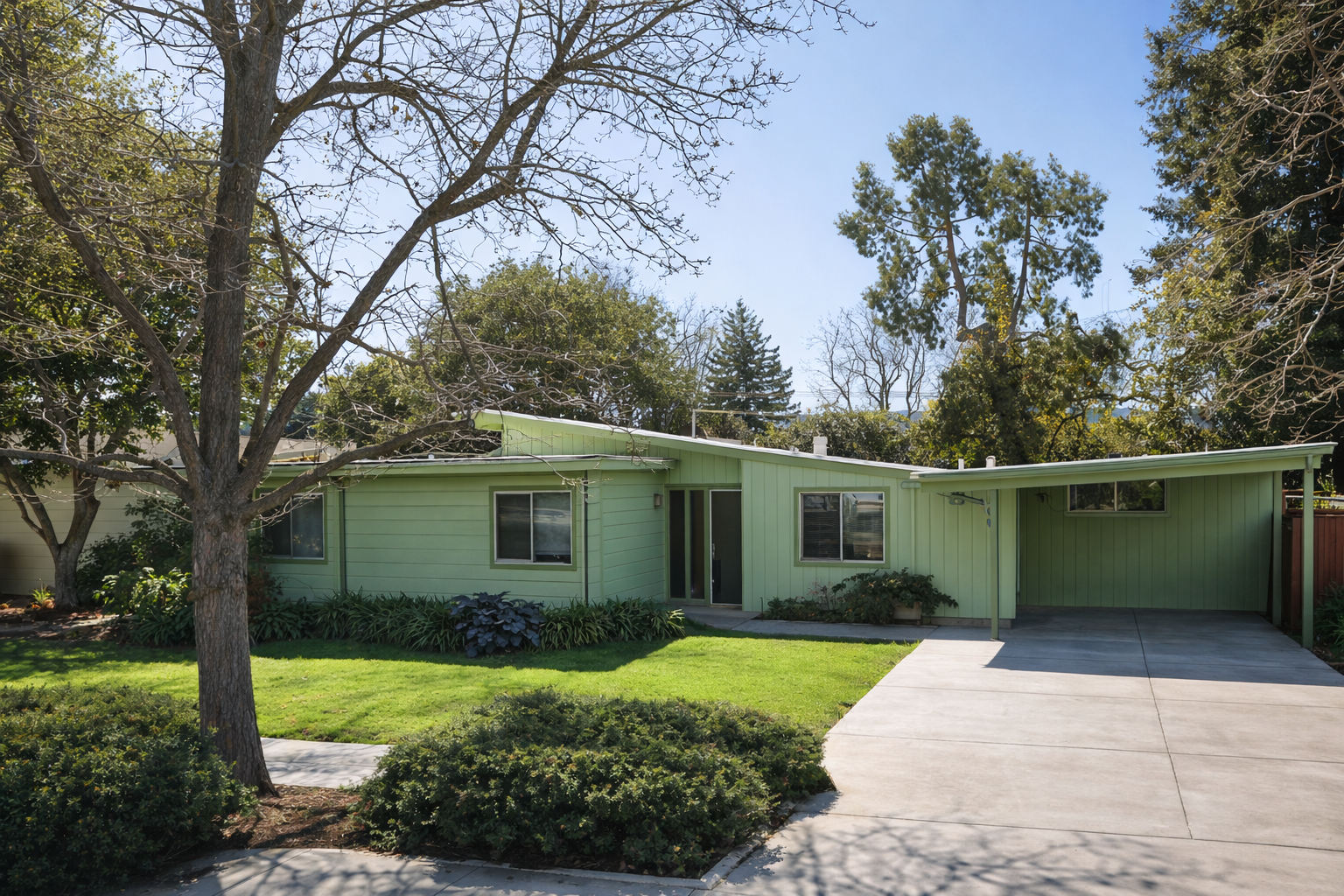
After World War II, San Carlos’s suburban landscape transformed under Bay Area’s housing boom. Its gently rolling terrain and proximity to the new San Francisco–San Jose rail line made it prime for development. In the early 1950s, visionary developer Joseph Eichler built about 160 mid-century homes in San Carlos across a few small neighborhoods (like Atherwood and Sequoia Meadow). Though tiny compared to Eichler’s thousands of homes in Palo Alto or Sunnyvale, this collection made San Carlos one of the Peninsula’s earliest Eichler locales. These Eichler houses introduced “California modern” design – open floor plans, post-and-beam construction, floor-to-ceiling glass and private atriums – bringing cutting-edge architecture to middle-class families. Over the decades, San Carlos also saw suburban ranch and contemporary homes fill vacant lots. Its enduring motto and smart zoning ensured growth remained “City of Good Living”‑oriented.
Notable Figures and Developments
Key figures left lasting marks: early landowners like Thomas W. Lathrop and J.W. Reid in the 1920s laid out generous, transit-connected neighborhoods. Postwar tech pioneers like Litton and Dalmo Victor also built plants here in the 1940s, setting the stage for Silicon Valley commutes. But for architecture, Eichler is chief: his enclave of modernist homes—now prized for their historical and design value—put San Carlos on the mid-mod map. More recently, civic leaders have maintained the balance of open space (e.g. zoning parks like Eaton and Burton) with thoughtful infill, preserving the founding ethos of tree‑lined, family-friendly streets.
Real Estate Market Analysis
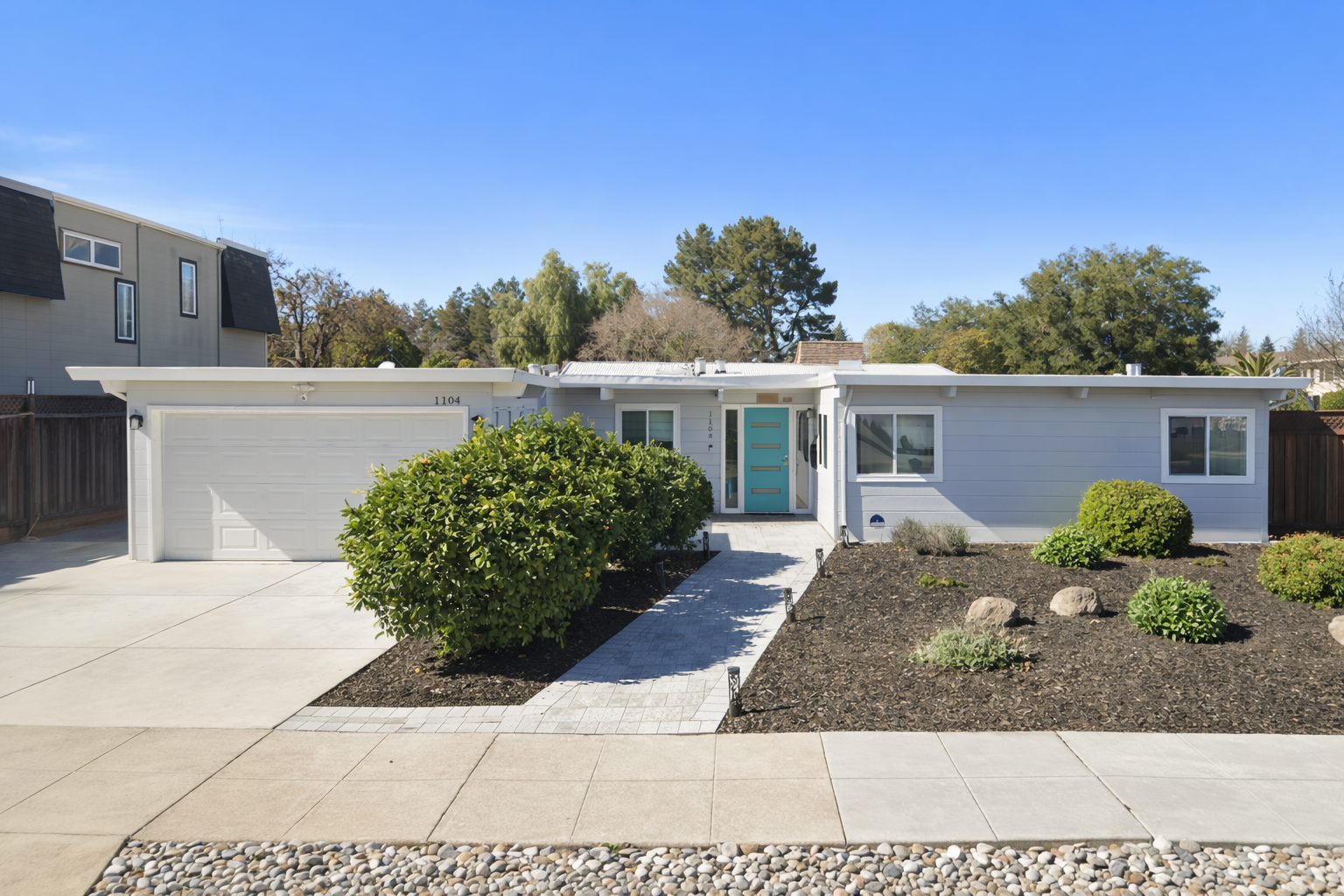
San Carlos’s real estate market remains highly competitive and premium-priced. According to Redfin and market reports, the median single-family home price is on the order of $2.4–$2.5 million as of late 2025, up roughly 10–15% year-over-year. This places San Carlos well above neighboring Redwood City (where the median is about $1.61M), reflecting San Carlos’s school reputation and lifestyle. Homes typically sell extremely fast: in mid-2024 the average single-family home spent just 12 days on market (versus 21 days for condos/townhomes). Sellers regularly receive multiple offers; Redfin notes a ~21-day market time and over 5 offers on average.
Inventory remains tight. San Carlos’s “months of inventory” is well below 1.0 for houses, meaning there is far more demand than supply. Price per square foot for houses (~$1,290/SF) also outpaces condos (~$934/SF). New or renovated Eichler and mid-mod homes often command premiums above the city median due to their architecture. The data-driven trend is clear: values have steadily climbed back since 2020, buoyed by Silicon Valley incomes and the scarcity of mid-century parcels. Even amid market fluctuations, homes with “design pedigree” (like Eichlers) tend to hold value well, selling quickly when listed.
Comparatively, San Carlos prices lead most ZIPs on the Peninsula. For context, neighboring ZIP 94063/94061 in Redwood City has an average home around $1.61M, making San Carlos roughly 50% more expensive per home. Similarly, more distant Burlingame or Belmont may overlap at $2–3M ranges, but San Carlos’s unique combination of mid-mod inventory and superior schools keeps it in the higher tier. In summary, the 94070 market is luxury-Silicon-Valley territory: deep-pocketed tech buyers, low inventory, and strong sellers’ conditions define the current reality.
Case Studies and Success Stories
The Boyenga Team’s local expertise is illustrated by several standout transactions in San Carlos. For example, the team recently facilitated an off-market sale of an Eichler home by leveraging Compass’s Private Exclusive program. The sellers tested an aggressive price quietly, and within days another agent brought them a full-price, all-cash offer – “the easiest, no-hassle sale they’ve experienced”. This demonstrates how Boyenga taps their network of Silicon Valley agents to find buyers even without public listing.
In another high-impact case, the Boyenga Team used Compass Concierge to pre-fund a mid-century home’s upgrades. The team recommended key repairs and tasteful modern staging (fresh paint, lighting, etc.) before listing. The result was dramatic: the home “attracted huge attention and sold for well above expectations”. These successes rest on Boyenga’s strategic playbook: they treat each home like a luxury project. They perform data-driven pricing analysis, coordinate all inspections/repairs, and implement design-focused staging so that mid-century style appeals to today’s buyers.
Key tactics include exclusive off-market “pocket” listings (to preserve privacy and create urgency), curated staging, and tech-enabled marketing that highlights architectural storylines. The Boyenga Team often features case examples on their website, highlighting how honoring a home’s design (rather than over-renovating) can yield the best ROI. In San Carlos’s market – where timing and presentation are critical – their track record of selling tough-to-find Eichler and luxury homes demonstrates a clear edge.
The Boyenga Team Advantage
Silicon Valley Luxury Experts: Eric and Janelle Boyenga have built their brand around the Bay Area’s luxury and architectural niches. They are known as next-generation, data-driven “Property Nerds” who deliver top-dollar results. As Compass-affiliated brokers, they leverage high-tech tools (market analytics, digital tours, etc.) that outclass typical agents. Their clients benefit from exclusive partnerships: for example, they are a preferred HomeLight agent (HomeLight’s “Plus” program), and they use Compass Concierge to fund value-adding home improvements.
Mid-Century & Eichler Specialists: The Boyenga Team has a deep focus on California modern homes. They regularly publish guides on Eichler and mid-century designs, and they have curated exclusive alerts for off-market Eichler listings. Their familiarity with architects like Joseph Eichler and their design ethos enables them to market these homes to the right audience of enthusiasts. This specialization appeals to design-forward buyers; as one reviewer put it, “It’s like they engineered happiness – our home sold at full price, no hassles”.
Luxury, Design-Forward Marketing: In San Carlos and across Silicon Valley, the Boyenga Team is regarded as a leader in high-end property marketing. They have credentials and accolades from industry sources (e.g. top agent rankings on Zillow and Expertise.com) and partnerships (Compass, HomeLight, Modsy design, etc.) that speak to their sophistication. Their marketing collateral is sleek and modern, often engaging Architecture and design publications for features. All listings receive professional staging with quality furniture (reflecting mid-mod aesthetics when appropriate), high-resolution photography, 3D tours, drone videography – essentially everything needed to highlight a home’s lifestyle.
Local Insight and Network: Because the Boyenga Team lives and works in Silicon Valley (with offices in Los Gatos), they have an insider’s grasp on San Carlos’s market. They know which neighborhoods carry a “citywide cachet,” understand school-boundary nuances, and have connections to local civic and builder communities. Combined with their Silicon Valley mindset, this local intelligence means they can accurately position a property – whether it’s pitching the family-friendly schools or the architectural legacy – to maximize interest and price.
In short, the Boyenga Team’s blend of Silicon Valley market expertise, mid-century architecture passion, and luxury service gives them an unmatched advantage in San Carlos real estate. They are truly Eichler and mid-century modern specialists, and they excel in representing San Carlos’s most design-forward and high-end homes. For buyers, this means access to hidden listings and design-savvy guidance; for sellers, it means a well-engineered, top-tier selling experience that leverages every Compass tool and Bay Area partnership available.
Demographic and Socioeconomic Profile
San Carlos (population ~29,000) is an affluent, highly educated community. The city’s residents are about 59% White and 22% Asian, with Hispanic and multiracial groups accounting for roughly 25% combined. One-quarter of residents were born outside the U.S., reflecting Bay Area diversity. Nearly all adults (96.7%) are high-school graduates, and 68% hold a bachelor’s degree or higher. This education level helps explain the city’s wealth: the median household income is about $233,333 (2023), far above national averages, and the poverty rate is under 4%. Homeownership is high (≈68% own) and the median owner home value is around $2,000,000, reflecting sky-high Silicon Valley real estate costs. Commute patterns show a typical Peninsula suburb: most workers drive (or hybrid) to Silicon Valley tech hubs with an average travel time of 25–26 minutes. In fact, over 30% of households work from home now. Overall, San Carlos residents enjoy strong incomes, career stability, and a high quality of life, all of which support a stable local economy and competitive housing market.
Contact Us and Begin Your Mid Mod Journey Today!
Boyenga Team + Compass Eric & Janelle Boyenga 📞 Call / Text : 408-373-1660 📧 Email : MidMods@Boyenga.com 🌐 www.BoyengaTeam.com / www.EichlerHomesForSale.com DRE #01254724 / #01254725
School Districts and Education Landscape
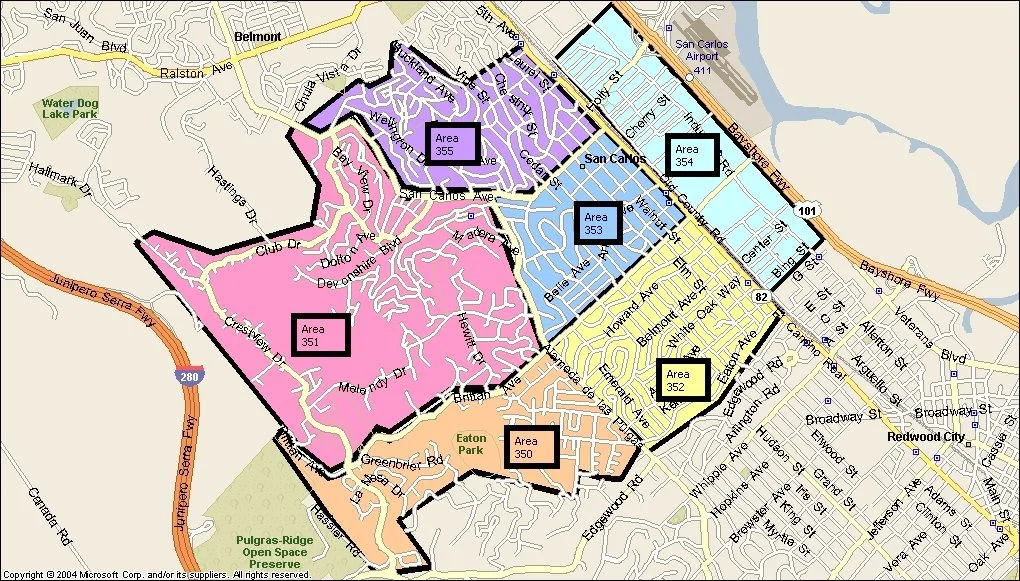
San Carlos’s schools are a major draw for families. Public K–8 education is provided by the San Carlos School District, which includes White Oaks, Heather, and Arroyo Elementary schools (feeder to Tierra Linda or Mariposa in nearby Sequoia Union H.S. District). White Oaks in particular is highly regarded — it was recently ranked the #5 elementary school in California by U.S. News & World Report. (This top state ranking makes homes inside the White Oaks boundary especially coveted by buyers.) San Carlos used to have its own high school, but since 1982 students attend Carlmont High in Belmont or Sequoia High in Redwood City. Both of those high schools have strong AP/IB programs and routinely outperform state averages. In addition, specialized options abound nearby: the San Carlos Charter Learning Center and private schools like Nueva School (Menlo Park), St. Charles School (San Carlos), and the bilingual Arbor Bay (San Carlos) all attract local students. In short, San Carlos families benefit from a robust educational ecosystem – public and private – that is a critical consideration for homebuyers.
Public Schools:
San Carlos School District (K–8): White Oaks (#5 in CA), Heather, Arroyo.
Sequoia Union High District: Sequoia High (Redwood City) and Carlmont High (Belmont) serve SC students.
Private/Charter: Nueva School (Menlo Park), St. Charles School (SC), Arbor Bay School (SC), SC Charter Learning Center.
Neighborhood Attractions and Lifestyle
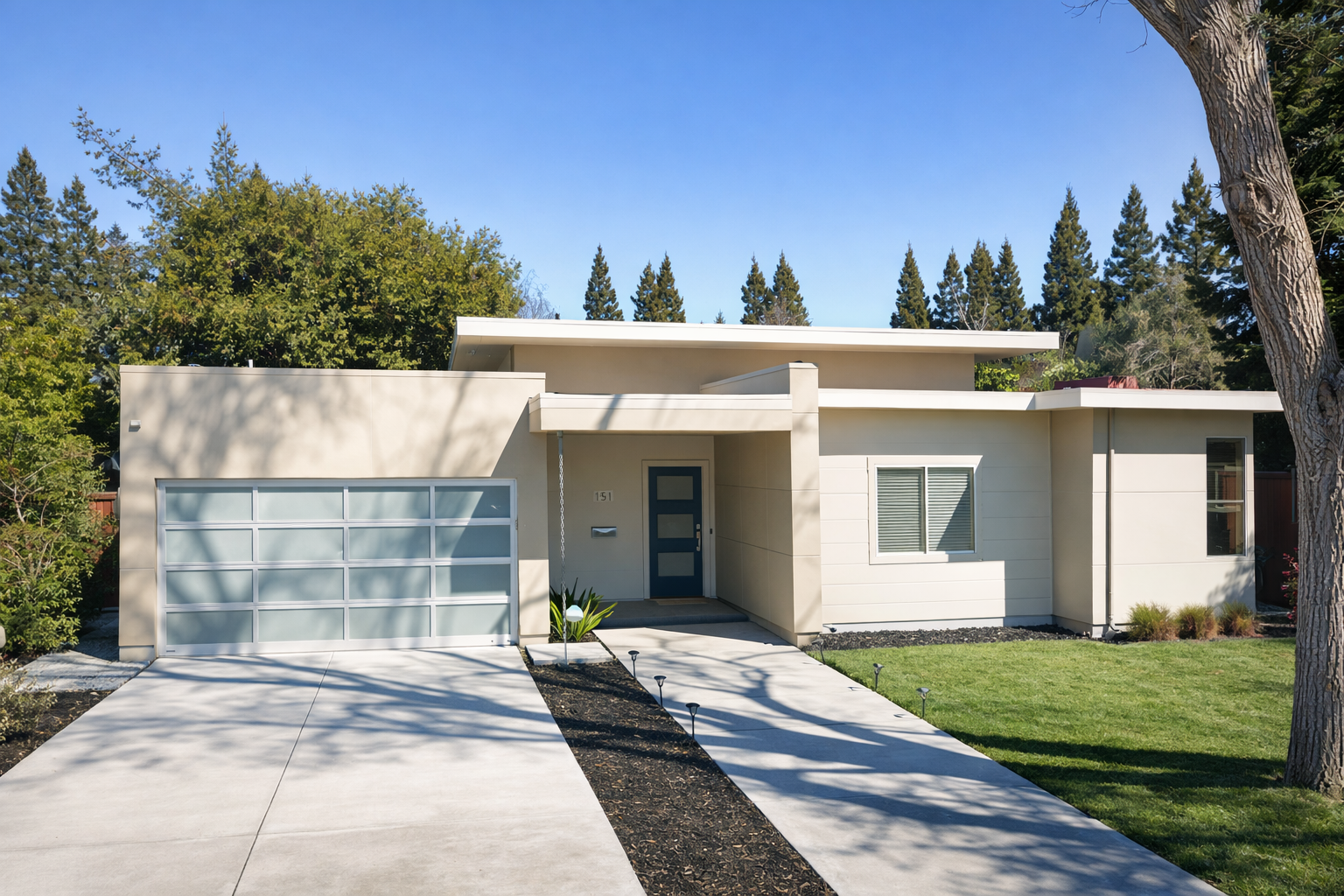
Residents enjoy a quintessential California suburban lifestyle with abundant parks, community events, and convenient amenities. Parks & Recreation: The city maintains numerous green spaces. Burton Park (10 acres) features sports fields, picnic areas, playgrounds, and even a bocce court. Eaton Park, a 57.6-acre open-space preserve on the escarpment, offers miles of natural trails and wildlife vistas. Smaller pocket parks (Eaton Dog Park, Cedar Street Park, etc.) dot the neighborhoods, along with community gardens and recreation facilities. The nearby San Francisco Bay Trail and Cañada Road path provide scenic walking and biking routes into Foster City and beyond.
Downtown & Culture: A short drive (or Caltrain ride) brings San Carlos residents to a vibrant downtown along Elm Street and Laurel Avenue. The walkable downtown is dotted with independent boutiques, cafes, and restaurants. Weekends feature local events like a farmers market and seasonal art/wine fairs. Casual eateries and upscale dining share the scene – from family pizzerias to trendy gastropubs – making San Carlos a culinary hub on the Peninsula. The historic Redwood City train station (now a bar/restaurant) anchors the district, and Caltrain commuter rail offers convenient transit to Palo Alto, San Francisco, and Mountain View.
Tech Proximity: San Carlos’s location is ideal for Silicon Valley professionals. Major tech employers are minutes away. Neighborhoods themselves house several tech and biotech offices, and a quick drive takes you to Redwood City (Oracle, YouTube) or Menlo Park (Meta). Commuters can zip to Stanford University or Apple’s campus in Cupertino via Highway 101. The city’s appeal is that residents “can work in the tech hub by day, then retreat to [their] Eichler’s calm, stylish environs by night”, enjoying both career access and the peaceful suburban life.
Architectural Highlights and Housing Inventory
San Carlos’s housing stock is architecturally diverse but anchored by its mid-century modern legacy. The most distinctive style is California Mid-Century Modern, most famously in the Eichler homes built in the 1950s. These Eichlers (roughly 160 total in SC) showcase hallmarks like open post-and-beam frames, walls of glass, and central atriums. Ranch and Traditional: Many other 1950s–1960s homes are single-story ranches or ranch-modern hybrids. Common features include low-slung profiles, attached carports (or garages), and wide lawns. 1920s–30s Style: In the older neighborhoods south of San Carlos Avenue, you’ll find smaller Spanish or Mediterranean Revival bungalows and mid-century tract homes (for example, on streets like Elm). Contemporary & Custom: Infill in the 1980s–2000s introduced contemporary and “California ranch” designs. Newer construction often blends Mediterranean or craftsman elements with modern layouts.
Figure: Mid-century living room interior with natural light and wood accents (illustrative design).
Inventory: Nearly three-quarters of San Carlos’s housing is owner-occupied single-family homes (the city’s homeowner rate is ~68%). There are some low-rise condos and townhouses (mostly near downtown and transit) but far fewer than in denser cities. For example, as of mid-2024 the market had roughly 18 single-family listings versus 16 condo/townhouse listings. This tight housing supply is reflected in low inventory: only about 0.7 months of supply for houses (vs 2.7 for condos). Lot sizes in Eichler tracts are typically 7,000–10,000 sq ft, providing private yards and pools; older blocks have 5,000–6,000 sq ft lots. Architectural variety remains strong from block to block, but the overall feel is spacious suburban—with iconic midcentury flair in places.
Noteworthy Builders/Designers: While Eichler is the signature name, other Mid-Mod custom builders of the era (such as an appeal to architects like Henry Wilkes in surrounding cities) influenced local styles. Boyenga Team research indicates that San Carlos Eichlers largely share repeating tract floor plans. Later competitors like Mackay, Gavello or Stern & Price (common elsewhere on the Peninsula) were not active here, so San Carlos’s modern neighborhoods have a unique cohesiveness. Today, local renovators often blend contemporary amenities into these vintage shells, carefully preserving features like clerestory windows and atriums while adding modern kitchens and baths.